-
In stock
Item number: 19500001
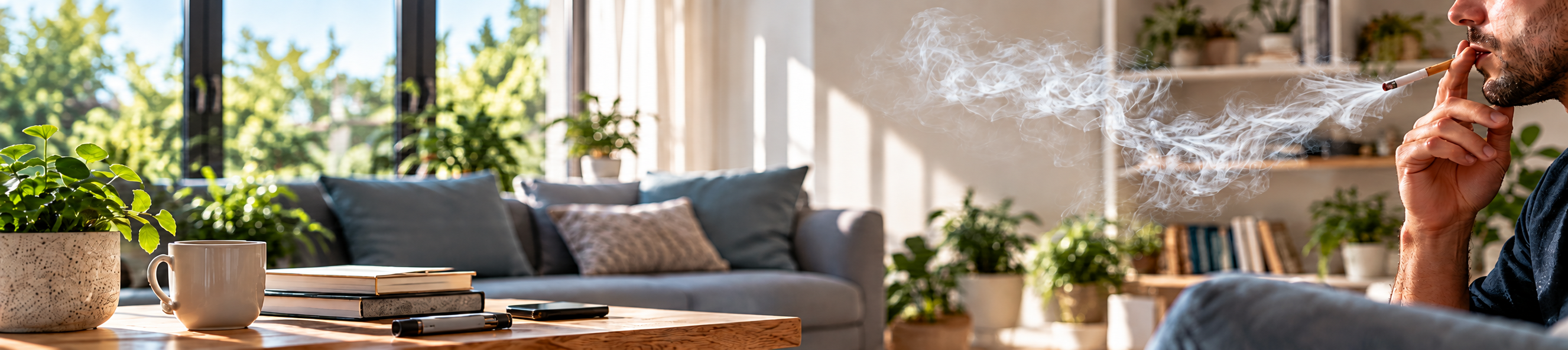
Every October, Stoptober comes round: the campaign that challenges smokers to go a month without smoking. But regardless of whether or when someone quits, there is one side of smoking and vaping that gets talked about less often: the effect on the air around you. It's well known that smoking is bad for your body. Tobacco smoke contains substances that damage your lungs, heart and blood vessels. Less well known is what a cigarette or vape does to the air quality in your living room, your car or your bedroom. And therefore also to the air breathed in by the people you live with, your children and your pets.
In this blog, you'll read about which substances smoking and vaping release into the air, which physical and mental complaints poorer air quality can cause, and what smoke does to your home, your car and your pets. We also answer a question many people have: how harmful is passive smoking, really? And last but not least, you'll find out how ventilation helps against smoke in the home.
The key points from this blog at a glance:
When you smoke a cigarette, the tobacco and rolling paper burn, producing thousands of different substances. Much of the smoke in a room doesn't come from the puffs the smoker exhales, but from the smouldering tip of the cigarette between puffs. This is known as sidestream smoke.
of the smoke in a room comes from the smouldering tip of the cigarette, not from exhaled puffs.
chemicals in tobacco smoke can cause cancer.
Sources: ASH, US National Cancer Institute
Which substances end up in the air with that smoke? Here are the most important ones.
Particles
Fine and ultrafine particles
Tobacco smoke consists largely of fine particulate matter: particles smaller than 2.5 micrometres. Some of these particles are much smaller still, known as ultrafine particles. The smouldering tip of a cigarette is cooler than the cigarette during a puff (around 400 °C compared to 900 °C). As a result, the tobacco burns less completely and produces extra amounts of very small particles, which penetrate deep into your lungs.
Gas
Carbon monoxide
Carbon monoxide forms when tobacco doesn't burn completely. You can't see or smell this gas. In your blood, carbon monoxide binds to red blood cells in the place where oxygen normally sits. Your blood then carries less oxygen to your brain and muscles, which can cause headaches, dizziness and tiredness.
Gas
Carbon dioxide
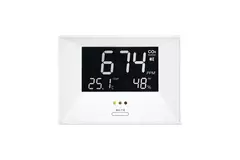
Burning tobacco also produces CO2. A single cigarette only adds a little. But in a small, enclosed space such as a car with the windows closed, CO2 levels quickly rise from the occupants' breathing, and every extra source counts. A CO2 monitor shows how high CO2 levels are, but doesn't measure smoke or fine particles.
Gases and vapours
Volatile organic compounds
Volatile organic compounds, or VOCs, evaporate easily and spread throughout the room. In tobacco smoke, these include benzene, formaldehyde and ammonia. These substances irritate your eyes, nose and throat and are partly responsible for the typical smell of smoke.

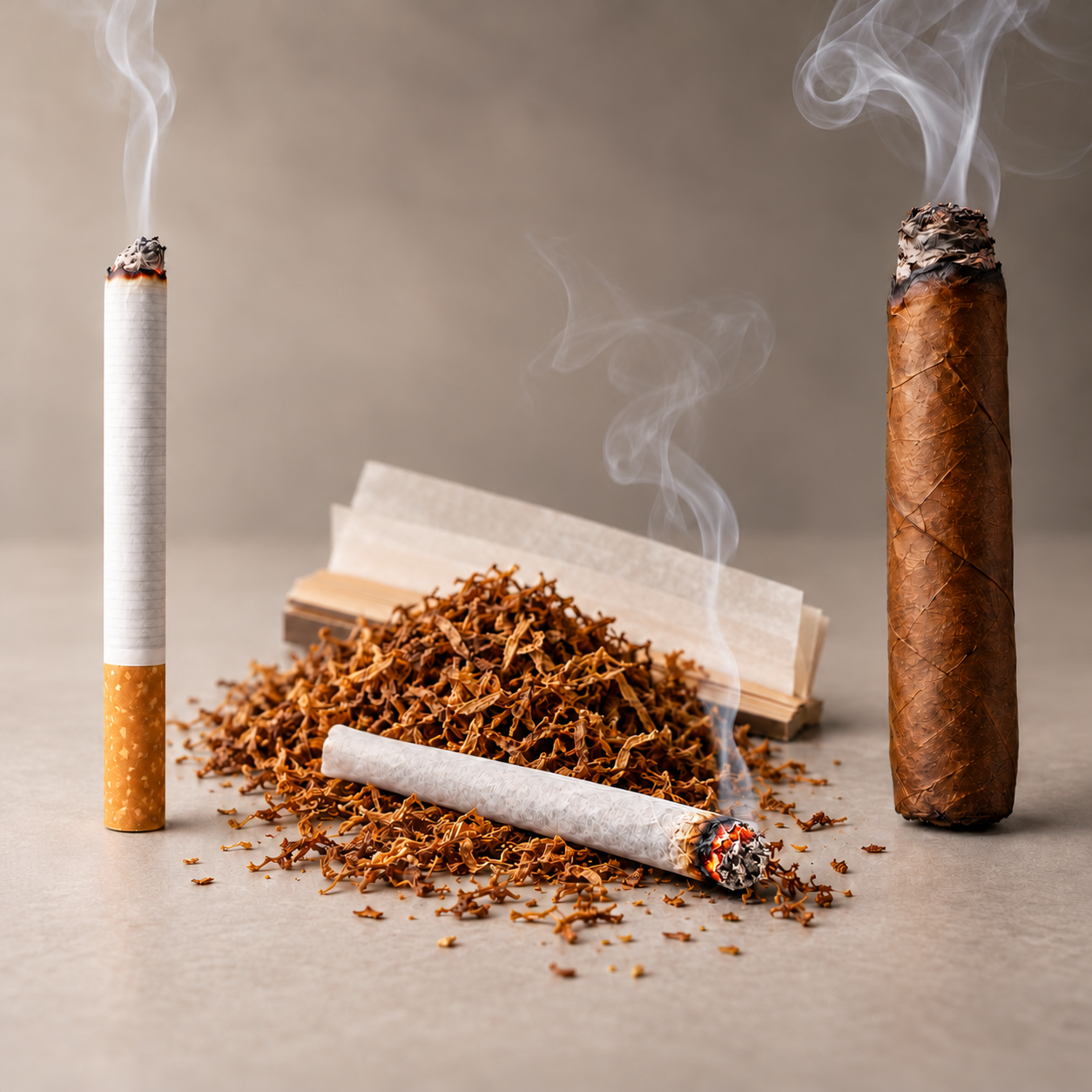
For air quality, it makes little difference whether you smoke a factory-made cigarette or a hand-rolled one. In both cases, tobacco and rolling paper burn, releasing the same kinds of substances into the air. Rolling tobacco is therefore no less harmful than a factory-made cigarette. A cigar is a different story. According to the US National Cancer Institute, a large cigar can contain as much tobacco as a whole pack of cigarettes. A cigar also burns for much longer and is usually not inhaled. As a result, each cigar releases far more smoke into the room, with more carbon monoxide, fine particles and ammonia than a single cigarette. The blue haze that lingers in a room after a cigar is a visible result of this.
Together, all these substances make the air feel less fresh and make your body and mind work harder. Further on in this blog, you'll read about the physical and mental complaints that can come with this. But first: what about vaping?
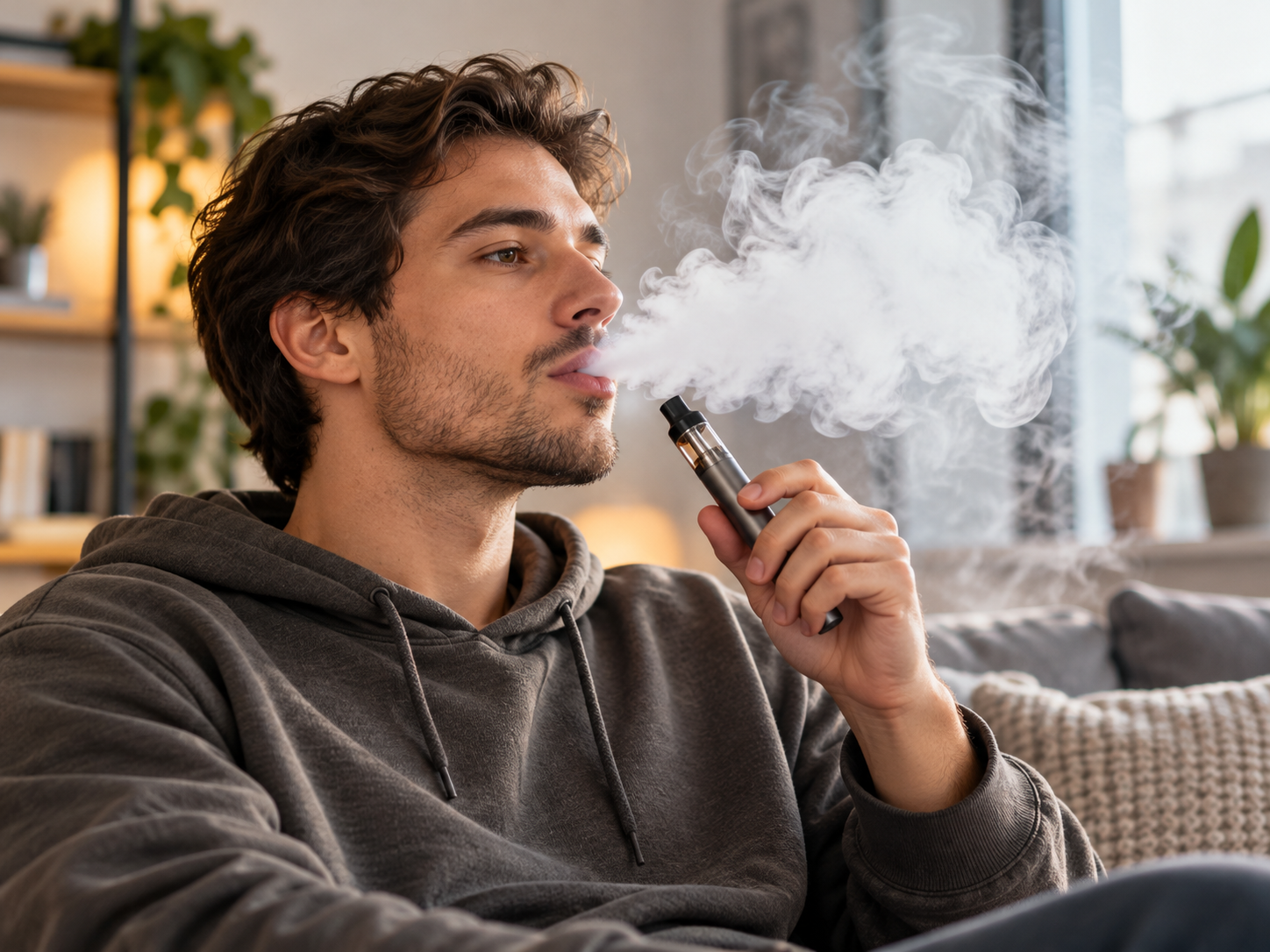
Nothing burns in a vape or e-cigarette. The device heats a liquid, the e-liquid, turning it into a mist that the user inhales and then breathes out again. Because no tobacco is burned, there is no sidestream smoke, and the mist contains fewer harmful substances than tobacco smoke.
Even so, vaping does affect the air in a room. Below, we've listed the substances found in the vapour cloud that is released when a vaper breathes out:
Fine particles from droplets
The white cloud consists of tiny liquid droplets that count as fine particles. Fine particle levels therefore rise while someone is vaping, but they drop back faster than after smoking.
Propylene glycol and glycerine
Propylene glycol and vegetable glycerine form the base of almost every e-liquid and create the thick vapour cloud. Heating the e-liquid can also release small amounts of formaldehyde and metal particles.
Volatile organic compounds
The sweet or fruity smell of vape vapour comes from flavourings. Many of these flavourings are volatile organic compounds, which spread through the room and can irritate your eyes, nose and throat.
Nicotine and a little CO2
If the e-liquid contains nicotine, nicotine also ends up in the air and can settle on furniture and other surfaces. A vaper also adds a little CO2 to the air when breathing out, just like anyone else in the room.
| Substance in the air | Smoking | Vaping |
|---|---|---|
| Fine and ultrafine particles | ||
| Carbon monoxide (CO) | ||
| Carbon dioxide (CO2) | ||
| Volatile organic compounds | ||
| Nicotine | ||
| Propylene glycol and glycerine | ||
| Tar |
Three dots: high. Two dots: medium. One dot: low. No coloured dot: not released. This overview is a general indication based on research, not a measurement.
The overview shows at a glance which substances smoking and vaping release into the air in a room. The more coloured dots, the more of that substance ends up in the air. This overview is a general indication based on research, not a measurement.
So vaping affects air quality differently and less heavily than smoking, but it doesn't mean the air is clean. The mist from a vape can also cause complaints.
You now know which substances smoking and vaping release into the air. But what do you actually notice? The complaints below can affect not only the smoker or vaper, but anyone in the same room. Spending just one hour in a smoky room can already cause complaints.
Stinging eyes and a dry throat
Volatile organic compounds, fine particles and propylene glycol mist irritate the mucous membranes of your eyes, nose and throat. Your eyes start to sting or water, your throat feels dry or raw and you feel the urge to cough.
Difficulty breathing
Fine particles travel deep into your lungs. Your airways react by narrowing and producing more mucus. Breathing then feels harder and you may get a tight feeling in your chest. In people with asthma or COPD, fine particles can trigger an attack.
Headaches and dizziness
Carbon monoxide from tobacco smoke takes the place of oxygen in your blood. Your brain then gets less oxygen, which can cause headaches and dizziness. In a small space such as a car, carbon monoxide levels rise fastest.
A stuffy feeling
In a poorly ventilated room, smoke particles, vape aerosol, carbon monoxide and CO2 build up in the air. The air in that room then feels stuffy and stale. That's a sign that too little fresh air is coming in.
You don't only notice poorer air quality in your body. Your mood, energy and concentration can also suffer, whether you smoke or vape yourself or are simply in the same room. By the way, you can check how well a room is ventilated with a CO2 monitor!
In a room with a lot of CO2, fine particles and carbon monoxide, many people feel drowsy and sleepy more quickly. It takes more effort to keep your attention on a task or a conversation. This effect has mainly been studied in poorly ventilated spaces in general, such as living rooms, kitchens, classrooms and offices. Smoke and vape aerosol can contribute to this in an enclosed room. Read more about the influence of CO2 on your mental wellbeing in our blog on CO2 as a cause of health complaints.
Tobacco smoke contains strong odorous substances such as ammonia and combustion products, and vape aerosol contains sweet synthetic flavourings. Smelling these odours for a long time can make you irritable or restless. Non-smokers in particular often feel the urge to leave the room or open a window.
A dense cloud of vapour or a blue haze from cigarettes or cigars literally makes a room less clear. You can't see as far and the room feels smaller and fuller. For many people, this creates a closed-in and/or uncomfortable feeling.
Smoke and vape aerosol don't disappear as soon as you can no longer see them. Some of the substances stay behind in the room. This affects your furniture and any pets you may have.
Yellow walls and furniture that keeps smelling of smoke
Tar and other substances from tobacco smoke stick to walls, ceilings, curtains, cushions, rugs and clothing. Over time, white walls turn yellow or brown and the smell of smoke won't come out of the sofa or car upholstery. These residues are slowly released back into the air later on, even long after anyone last smoked. This is called thirdhand smoke. You'll read more about it in the next section.
Pets breathe in smoke too
Pets breathe the same air as you and often lie on the floor or the sofa, exactly where tobacco smoke residue settles. Cats and dogs also lick this residue from their fur. According to research from Tufts University in the US, cats exposed to tobacco smoke are more than twice as likely to develop lymphoma. Dogs with long snouts are more likely to develop nasal cancer.
Where you smoke or vape indoors makes a big difference to air quality. As a rule: the smaller the room and the less fresh air coming in, the higher the concentration of smoke and vape aerosol in the air.
Concentration of smoke and vape aerosol in the air
Outside
Smoke and vape aerosol dilute quickly in the large volume of outdoor air.
Inside, window open
Fresh air dilutes the smoke, but doesn't remove all the substances.
Inside, windows closed
The substances linger and drift into other rooms.
Car, windows closed
A small space with little ventilation, so the highest concentration.
So an open window or a cooker hood does help, but never removes the harmful substances from the air completely. Even in a car with a window open, the substances still reach the occupants.
Everything you've read above about air quality also applies to everyone around the smoker or vaper. That brings us to the question many people ask: what exactly is passive smoking, and how harmful is it?
Passive smoking means you breathe in someone else's tobacco smoke without smoking yourself. It's also known as secondhand smoking. According to the World Health Organization (WHO), around 1.3 million non-smokers die worldwide every year as a result of secondhand smoke.
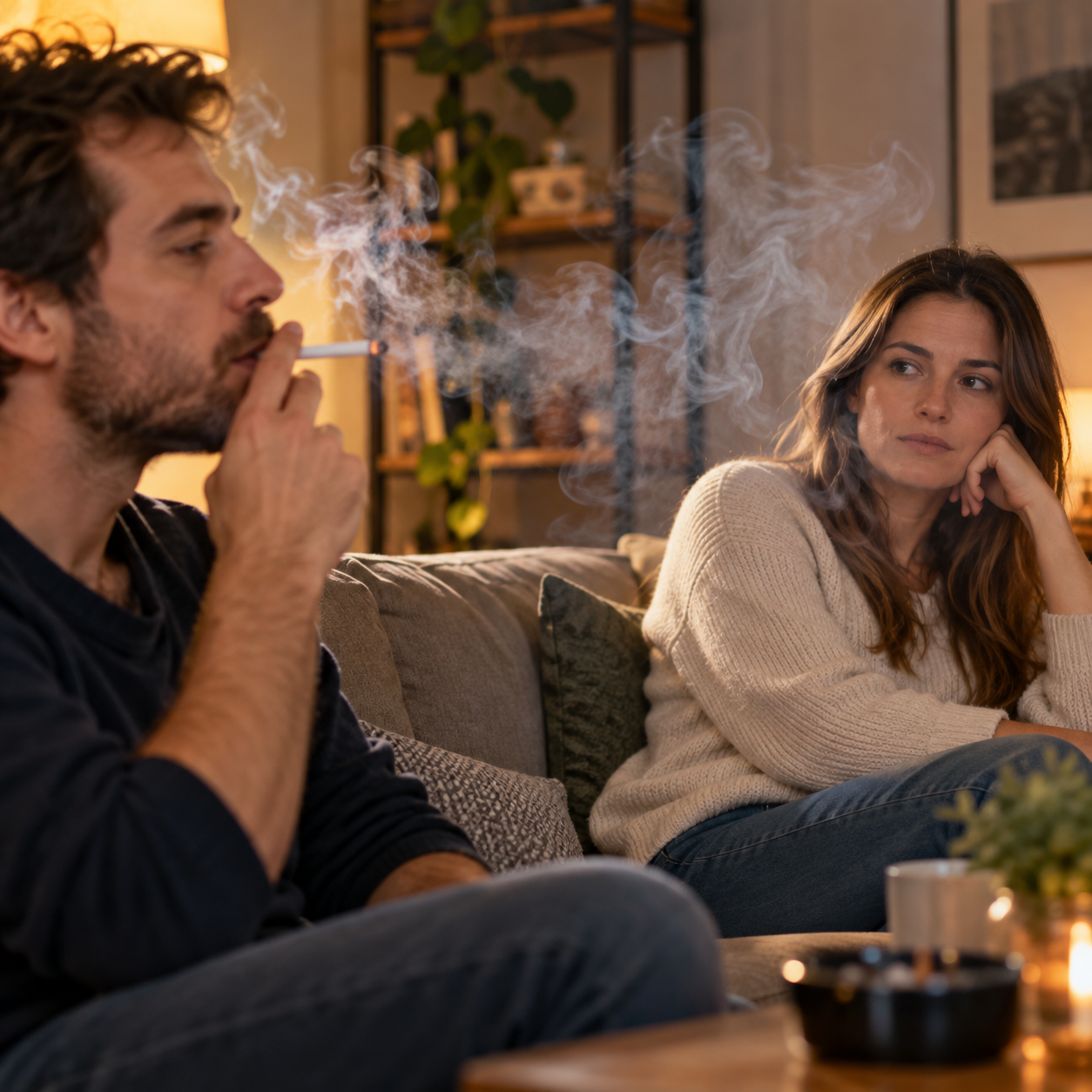
How much smoke you take in depends on where you are and how close you are to the smoker. If you walk behind someone smoking in the street, you briefly breathe in a small amount of diluted smoke. If you live with someone who smokes indoors, or sit next to a driver who smokes in the car, you breathe in the substances for much longer and at a much higher concentration. That gives you the same complaints as the smoker: stinging eyes, coughing, headaches and drowsiness. The long-term dangers of passive smoking are serious. According to the US Centers for Disease Control and Prevention (CDC), people regularly exposed to secondhand smoke have a 20 to 30 per cent higher risk of lung cancer, heart disease and stroke.
You sometimes hear that passive smoking is more harmful than smoking. That's only partly true. The smoke from the smouldering tip of a cigarette does contain higher concentrations of harmful substances and smaller particles than the smoke the smoker inhales. But this sidestream smoke mixes with the air in the room, so someone breathing it in takes in far fewer harmful substances overall than the smoker. Passive smoking is therefore not worse than smoking yourself. But it's not harmless either: according to the US National Cancer Institute, there is no safe level of exposure to secondhand smoke.
Vaping doesn't produce sidestream smoke, only the vapour the vaper breathes out. Breathing in someone else's vape aerosol is therefore probably less harmful than secondhand tobacco smoke, but it's not harmless. A US study from Rutgers University found that young people with asthma who were exposed to other people's vape aerosol were 27 per cent more likely to have an asthma attack.
Thirdhand smoke means taking in the residue of tobacco smoke left behind on walls, furniture, toys, clothing and skin. Thirdhand smoke is especially risky for babies. Babies and young children crawl across the floor, put their hands and toys in their mouths and breathe faster than adults. As a result, they take in relatively more harmful substances.
According to the US Centers for Disease Control and Prevention (CDC), children who grow up around smoke are also more likely to have asthma attacks, ear infections and respiratory infections, and smoking at home increases the risk of sudden infant death syndrome (SIDS). Older people are more vulnerable too, as they more often already have heart or lung conditions that smoke in the air can make worse.
Does anyone smoke or vape in your home, or does smoke drift in from outside or from the neighbours? Good home ventilation removes stale air and brings in fresh air. Ventilation dilutes smoke and vapour, so the substances linger in the room for less time. Good to know: ventilation never removes these substances from the air completely, and it does nothing against tobacco smoke residue that has already settled on walls and furniture. These are the main ways to ventilate your home properly:
Trickle vents
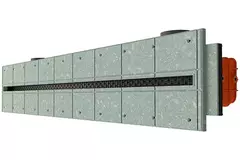
Trickle vents above your windows let in a little fresh outdoor air all day long, without you having to open a window wide. This way, every room keeps getting fresh air.
Mechanical extract ventilation
With mechanical extract ventilation, a ventilation unit extracts air from the kitchen, bathroom and toilet day and night. Fresh air comes in through trickle vents. This way, stale air is continuously removed from your home.
MVHR unit
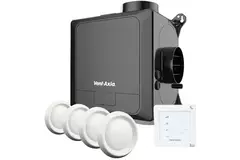
An MVHR unit removes stale air and supplies filtered, fresh outdoor air to your home. The heat from the extracted air is recovered, so you can ventilate well in winter too without losing much heat.
Single-room MVHR unit
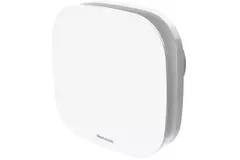
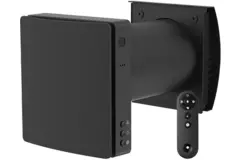
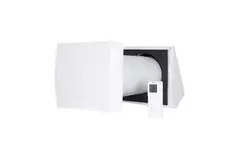
Does a room have no extraction of its own, such as a loft room or hobby room? A single-room MVHR unit ventilates one room and only needs an opening in the wall. This unit also recovers the heat from the extracted air.
Whether you smoke, vape or neither: the air quality in your home and car is largely in your own hands. These four tips can help.
Smoke or vape outside
Outdoors, smoke and vape vapour disperse fastest. Do stand a few metres away from open windows, doors and trickle vents, otherwise the smoke and vapour will still drift into your home.
Keep the car smoke-free
In a car, the concentration of smoke and vape vapour builds up the most. Especially with children, older people or pregnant women on board, a smoke-free car is the best choice for air quality.
Turn the ventilation up a setting
Have guests smoked or vaped in your home? Then run your ventilation system on a higher setting for a few hours. This removes smoke and vapour faster and brings in fresh air more quickly.
Clean what holds on to smoke
Wash curtains, cushion covers and clothing regularly and wipe down walls and furniture. This removes tobacco smoke residue that would otherwise slowly find its way back into the air.
You share the air in your home with everyone who lives there, from your partner and children to your pets. Whether you smoke or vape is your own choice, but where you do it determines how much of it the people you live with are exposed to.
With good ventilation and a few conscious choices about where you smoke or vape, you limit the impact on air quality and on the people and animals around you. Want to know which ventilation system suits your home best? Our advisers are happy to help.
In the FAQ below, we have listed the most frequently asked questions about smoking, vaping, air quality and ventilation. Do you have specific questions about the ventilation in your home, or can't quite find the answer? Our experts are ready to help, so feel free to get in touch!
Yes, but only partly. A ventilation system that runs continuously keeps replacing stale indoor air with fresh outdoor air. This makes the amount of smoke particles and gases in the air drop faster. It won't make the air completely smoke-free, though, and ventilation does not remove the residue that smoke leaves on walls, curtains and furniture.
Yes. In an enclosed space, smoke has nowhere to go, so the concentration of harmful substances in the air becomes much higher and you breathe that air in for much longer. Outdoors, smoke blows away quickly. That doesn't mean passive smoking outdoors is harmless: anyone standing close to a smoker, for example in a beer garden, still breathes in smoke.
Only a small part of it. A cooker hood is designed to capture cooking fumes directly above the hob. Smoke that you exhale or that rises from the tip of a cigarette mostly spreads through the kitchen before the cooker hood can extract it. If you have a recirculating cooker hood with a carbon filter, the air isn't even extracted outside, but only filtered and blown back into the room.
In most homes, an MVHR unit is the best fit. An MVHR unit removes stale air and supplies filtered fresh air, so new air keeps coming into every room. Because the heat from the extracted air is recovered, you can also run the MVHR unit on a higher setting in winter without losing much heat. If an MVHR unit isn't possible in your home, mechanical extract ventilation is a good alternative, as long as the system runs day and night. Not sure what suits your home? Our advisers are happy to help you decide.
No, a standard CO2 monitor only measures the CO2 level in a room. That level does tell you how well a room is ventilated: if the CO2 reading stays high, too little fresh air is coming in and smoke and vape vapour also linger longer. If you want to measure smoke particles and vape vapour themselves, you need a monitor that also measures particulate matter, such as the Aeros Pro particulate matter monitor. Besides particulate matter, this monitor also measures aerosols, volatile organic compounds (TVOC) and CO2.
Vape vapour makes indoor air less clean, but less so than tobacco smoke. The droplets in vape vapour temporarily raise the level of particulate matter and release flavourings and often nicotine into the air. Because these droplets disappear faster than smoke particles, good ventilation helps freshen the air again relatively quickly after vaping.
The smell of smoke isn't just in the air, it's mainly in fabrics and on walls. So wash curtains, covers and rugs, clean cupboards and walls, and replace the filters of your ventilation system, as these also trap smoke particles. If the smell has soaked deep into the walls after years of smoking, often the only solution is to repaint with a stain-blocking primer. After that, make sure there is good ventilation so that a musty smell of smoke doesn't build up again.
At Ventilationland, we think it is important that we can always be reached and answer your questions as quickly as possible. Therefore, you can reach us in several ways, including via chat or WhatsApp. We are happy to help!