
-20%
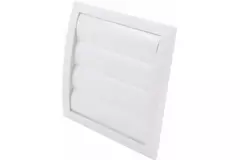
-
In stock
Recommended price
9.14
-20%
7.32
Item number: 35010007


It's freezing outside, the thermostat inside is set to twenty degrees and everything that can be closed is shut tight. Completely understandable, because in winter you want to keep the warmth inside. Yet that is exactly when the air quality in your home deteriorates quickly. The good news: ventilating your home in winter is perfectly possible without feeling cold or seeing your energy bill rise sharply. It's mainly about smart ventilation, tailored to the type of ventilation you have at home.
In this blog you'll read, among other things, why good ventilation is essential in winter and what your heating and air conditioning units do to the air in your home. You'll also discover why the insulation of your home determines how much you need to ventilate. We then take you through each ventilation system: from keeping your air vent covers open and airing your home smartly with natural ventilation, to mechanical ventilation, MVHR units and decentralised MVHR. By the end of this article, you'll know exactly which steps you can take for fresh yet warm air in your home, all winter long.
The key points from this blog at a glance:
In winter, we spend many hours indoors. It's nice when it's warm and cosy inside, so the heating often goes up while windows, doors and air vents are closed. That keeps the warmth in, and spiders, flies and other pests out. A logical thought, but disastrous for your ventilation! You close off almost all the openings that let fresh outdoor air into your home, while you actually need that fresh air for a healthy indoor climate.
Meanwhile, life indoors simply carries on. You breathe, cook, shower and perhaps dry your laundry inside. All these activities release CO2 and water vapour into the air. Without fresh air, those gases and odours linger in your home. You often only notice the effects later: feeling drowsy on the sofa, sleeping less well, condensation on the windows in the morning or black spots of mould in the corner of the bathroom. Curious about what other complaints a poorly ventilated home can cause? Then read our blog about health complaints caused by poor ventilation.

There is one exception: MVHR units (mechanical ventilation with heat recovery) regulate the supply of fresh air and the extraction of stale air themselves. If you have one, windows and doors can simply stay closed. You can read how this works further on in this blog.
Heating seems like a simple process: the temperature in your home goes up. What many people don't realise is that this also makes the air drier. Cold outdoor air naturally contains little water vapour. When that air is heated, the amount of water vapour stays the same, but warm air can hold much more water vapour. As a result, the relative humidity drops considerably. That's why the air in your home often feels dry in winter, leading to dry eyes, a scratchy throat or static hair. Most people find a relative humidity between 40 and 60 per cent the most comfortable.
Meanwhile, substances and gases enter the air in your home throughout the day. They linger until you remove them through ventilation:
CO2Carbon dioxide
Released when you breathe out. The more people there are in a room, the faster the CO2 level rises.
H2OWater vapour
Produced by showering, cooking, a running tap and breathing, among other things. Condenses on cold windows and walls.
PMAerosols and particulate matter
Floating particles from cooking, burning candles, talking and sneezing, among other sources. They stay in the air for a long time.
VOCTVOC
Volatile substances from cleaning products, perfume, paint and new furniture. You can't always smell them.
To remove these substances and the unpleasant odours that come with them quickly, good extraction is needed. But extraction also needs supply: the air leaving your home has to be replaced with fresh outdoor air. If you close all trickle vents and air vents, that fresh air has no way of getting in. If you have mechanical ventilation, the ventilation unit then has to work harder to extract air. You can often hear this as a humming or whistling sound, and the unit then draws air in through gaps under doors and around window frames.
We understand that on cold winter days you want to keep the warmth in and limit cold draughts. That's why, in the rest of this blog, we give you useful tips for ventilating your home well in winter, energy-efficiently and without getting cold, for each ventilation system.
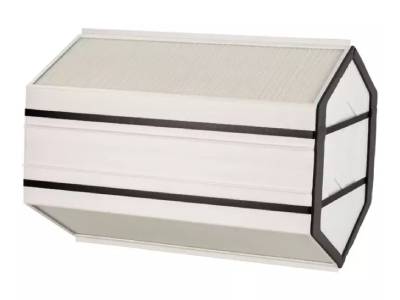
Is the air in your home too dry? Ventilating less is not the solution, because the CO2 level will rise again and odours will linger for longer. A better approach is targeted ventilation: don't air your home for longer than necessary, let a humidity sensor or CO2 sensor decide when extra ventilation is needed, and don't turn the heating up higher than necessary. The warmer the air, the lower the relative humidity. A few houseplants or a water container hung on the radiator help a little. In homes with MVHR units, an MVHR air humidifier is the most effective solution. You can read more about this further on.
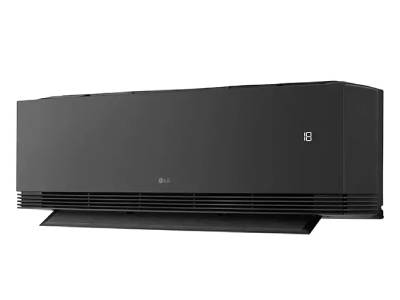
More and more people heat their homes fully or partly with an air conditioning unit. In winter, a modern split air conditioner works as a heat pump and extracts heat from the outdoor air, even when it's freezing. With high gas prices, this is an attractive and energy-efficient alternative to a gas boiler, especially if you generate your own electricity with solar panels. Please note: an air conditioner heats the air that is already in the room and does not supply fresh outdoor air. So even if you heat with an air conditioner, ventilating in winter is still necessary. You can read how to get your air conditioning and ventilation system working together best in our blog about combining air conditioning and ventilation.
More and more homes are being better insulated, with measures such as cavity wall insulation, double or triple glazing and uPVC window frames with draught strips. Great for your energy bill, but it also means that less fresh air finds its own way in through gaps, joints and old window frames. The better your home is insulated, the less you can rely on this natural airflow. In a well-insulated home, a ventilation system with heat recovery is therefore the best choice: a central MVHR unit for the whole house, or decentralised units per room. This way, you control the supply and extraction of air without losing heat.
Below, you can read for each ventilation system how best to ventilate in winter. Not sure which system you have? In our blog about the different ventilation systems, you can easily find out.
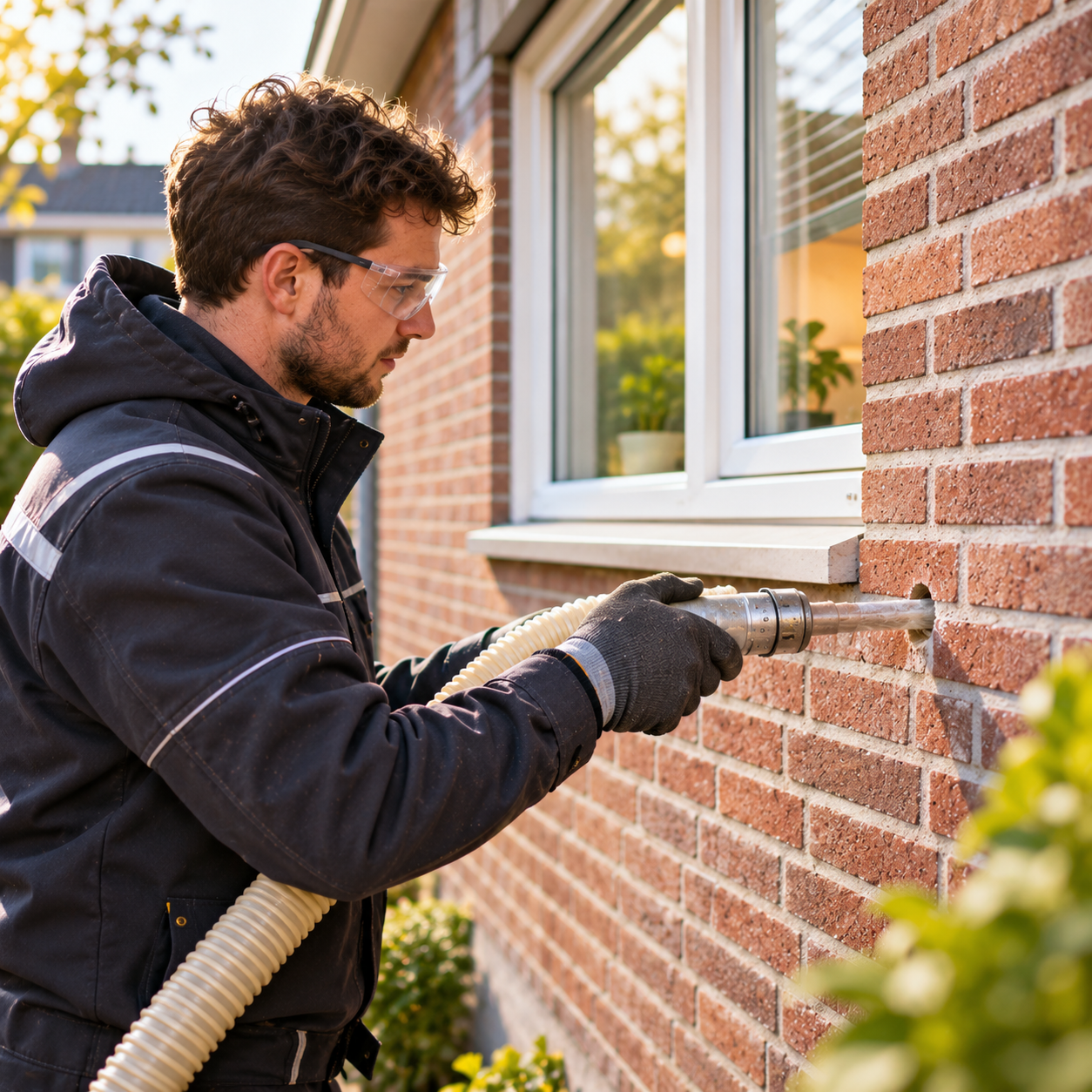

With natural ventilation, no motor or ventilation duct is involved. The airflow is created by differences in air pressure and temperature: warm, stale air rises and leaves the house through openings high up in the home. As a result, cooler fresh outdoor air is drawn in through trickle vents, air vent covers and gaps. Wind blowing against the outside walls also pushes air inside. Natural ventilation therefore only works if those openings are actually open.
Leave your vents open in winter! It may feel like throwing heat away, but it's not as bad as you think. Cold winter air contains little moisture, so it warms up quickly. Damp, clammy indoor air actually feels colder, which makes you turn the thermostat up sooner. Is it too draughty indoors during strong winds or severe frost? Then set your trickle vents to a lower position, but don't close them completely. Also clean your vents from time to time so that dust doesn't block the airflow. You can read how to do this in our blog about cleaning ventilation grilles.
Besides keeping vents open, airing your home helps to remove a lot of moisture and CO2 in a short time, for example after showering or after having visitors. In homes with MVHR units, airing is usually not necessary. With natural ventilation, airing in winter works best when it's short and thorough:
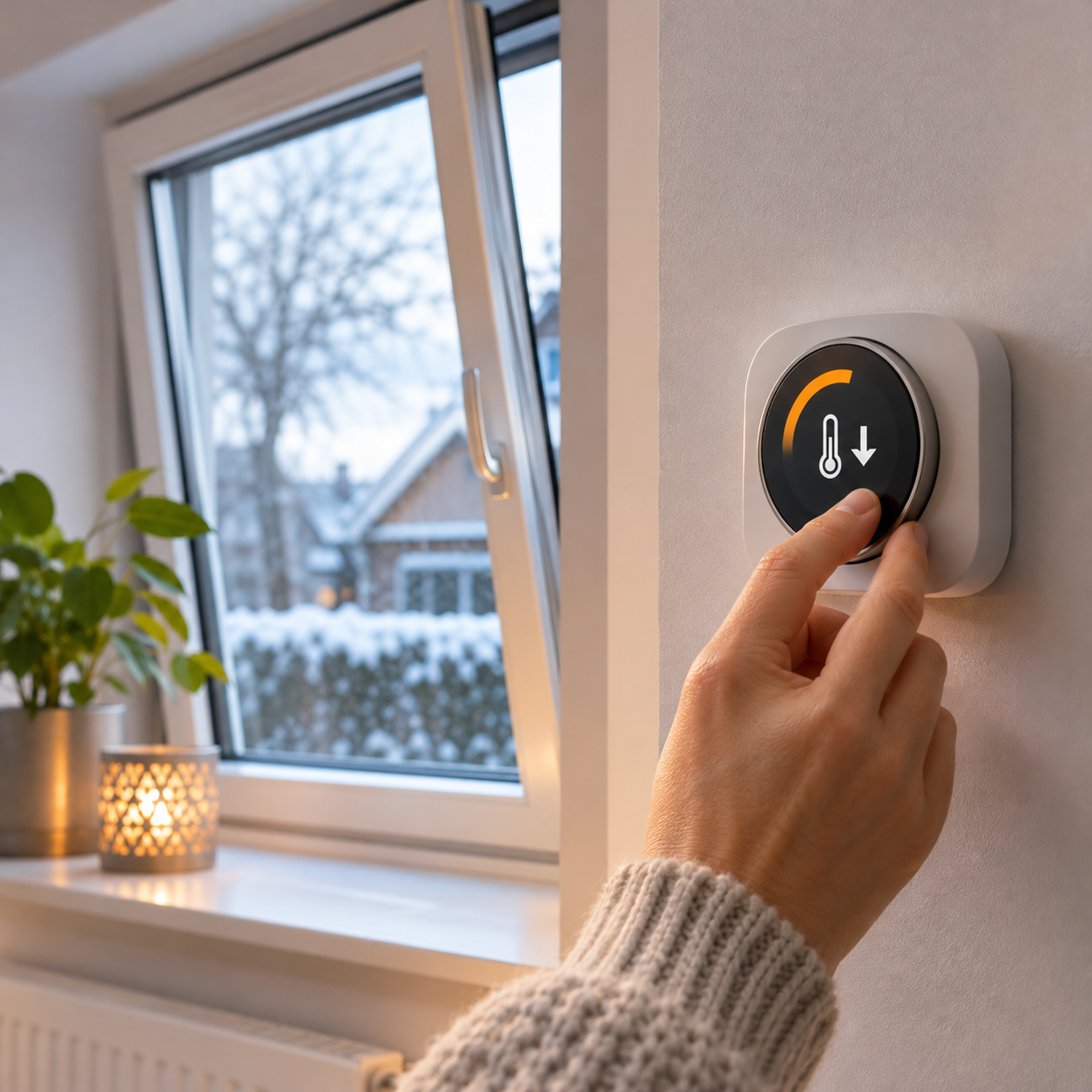
The effect: the air in the room is refreshed within a few minutes, while walls, floors and furniture retain their heat. After you close the windows, the room is therefore quickly back up to temperature. If you air one room, you only refresh the air in that room. If you open windows across a whole floor, you refresh the air on that entire floor in one go. These rooms benefit most from airing in winter:
Bedroom
Straight after getting up, with the bedroom door closed. This removes the moisture and CO2 from the night.
Bathroom
After showering, with the bathroom door closed. Also wipe the tiles dry with a squeegee.
Kitchen
After cooking, while the cooker hood stays on for a little while. This removes cooking vapours and food smells.
Living room
In the morning and at the end of the day, with windows open on two sides of the house.
How long you need to air your home in winter depends on the weather. The temperature difference between indoors and outdoors creates a fast airflow: the colder and windier it is outside, the faster the air in your home is refreshed. In frosty, windy weather, 5 minutes is often enough; on a still day, allow 10 to 15 minutes. Want to know exactly? With a CO2 monitor, you can see the air quality in each room. If the CO2 level rises above 1,000 ppm, it's time to air the room or turn up the ventilation. You can read how a CO2 monitor measures air quality in our blog how does a CO2 monitor work?
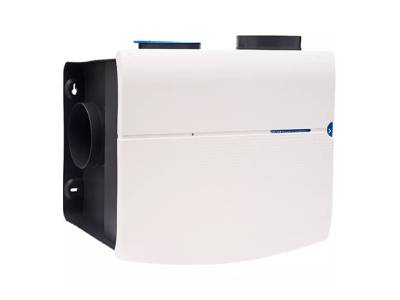
With mechanical ventilation, a central extract unit draws stale air out through air valves in the kitchen, bathroom and toilet. This way, the unit quickly removes air containing a lot of CO2 or moisture to the outside. The fresh air that replaces it comes in the same way as with natural ventilation: through trickle vents in your walls or window frames. Your home can be well insulated, as long as the supply of fresh air is not completely closed off. Because the extract unit runs continuously, open trickle vents are especially important here. If they are closed, negative pressure builds up in the house and you get the noise and draughts you read about earlier in this blog.
Never switch off your mechanical ventilation in winter, not even to save heat. Without extraction, moisture and CO2 linger in your home, leading to condensation and mould. Want to extract less warm air? Then set the extract unit to its lowest setting when you're not at home or are asleep. While cooking and showering, set it to its highest setting instead, until about half an hour afterwards.
The smartest way to ventilate with mechanical ventilation in winter is demand-controlled. Sensors continuously measure the CO2 level or the humidity, and the extract unit automatically adjusts its setting accordingly. Extra air is only extracted when the air quality calls for it. Because you extract less warm air unnecessarily, less cold air comes in through the trickle vents and the warmth stays in your home for longer. Take a look at our mechanical ventilation with humidity sensors, for example, or upgrade your current extract unit with separate sensors and controllers if your unit supports them. Want to know more? Read our blog what is demand-controlled ventilation?
Also have your mechanical ventilation properly maintained. Clean air valves and a clean extract unit extract air more effectively and make less noise. You can read how to go about this in our blog about cleaning your mechanical ventilation or MVHR unit.
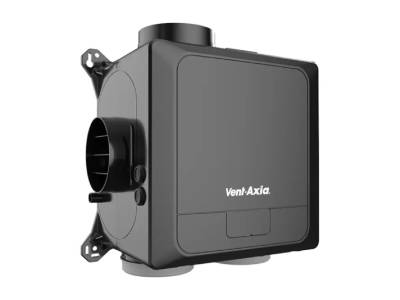

If you have one of our MVHR units, it takes over ventilating your home in winter completely. The MVHR unit continuously extracts stale air and brings in fresh outdoor air. In the heat exchanger, the warm air leaving your home transfers its heat to the cold outdoor air coming in, without the two airflows mixing. The fresh air therefore enters pre-heated. This way, the MVHR unit ensures good air quality without you throwing heat away.
Some MVHR units are combined with a heat pump. The heat pump also uses the heat from the extracted air to heat your home or your hot water. Take a look at our WTW-Units with heat pump.
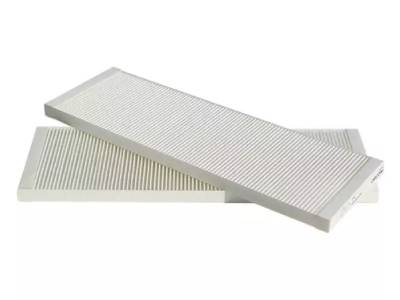
Some MVHR air humidifiers can also cool in summer. You can read more about this in our blog about adiabatic cooling. Are you about to choose a new MVHR unit? Then you can also look for a model with an enthalpy exchanger, which recovers part of the moisture as well as heat. Not every MVHR unit is suitable for this. Want to know more? Read our blog what is an enthalpy exchanger?
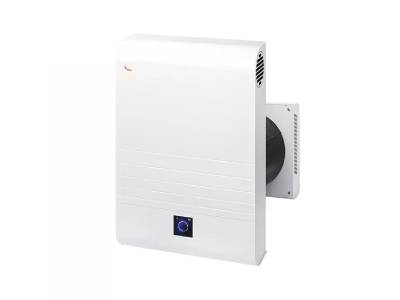
Don't have a central ventilation system, but are some rooms in your home well insulated? Think of a living room with high-performance double glazing and insulated walls, while the upstairs still has single glazing. In such a well-insulated room, hardly any fresh air gets in by itself. Decentralised MVHR is then a convenient solution. You install this compact unit in the outside wall of the room, without ventilation ducts running through the whole house. Just like a central MVHR unit, a decentralised unit extracts stale air in a controlled way and brings in fresh air, while the heat from the extracted air is recovered. You can read all about the options in our blog everything you need to know about decentralised ventilation.
You now know how to ventilate properly in winter, without feeling cold or facing a high energy bill. Below, you'll find the key advice for each ventilation system at a glance:
Natural ventilation
Mechanical extract ventilation
MVHR unit (also with heat pump)
Decentralised MVHR
If you skip ventilating in winter, you will always notice it sooner or later. Moisture condenses on cold windows and walls, mould and dust mites get free rein, and a high CO2 level makes you tired and less focused. So ventilate every day, even when it's freezing outside. Not sure which solution suits your home? Our ventilation experts will be happy to help.

Item number: 35010007

Item number: 35028021

Item number: 35002020
Item number: 37020503
Item number: 32011063
Item number: 72520110

Item number: 35102013

Item number: 72620508


Item number: 19220033

Item number: 76021096
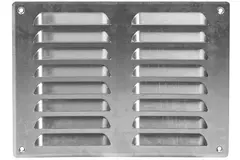
Item number: 32011065

Item number: 19120523

Item number: 19500563
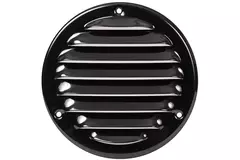
Item number: 35011042
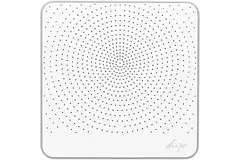
Item number: 19211020

Item number: 72600010

Item number: 75010080
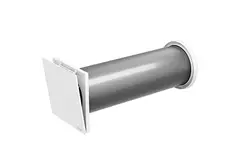
Item number: 19500570
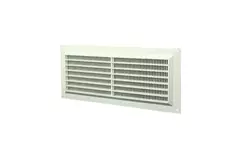
Item number: 35008001

Item number: 35015001

Item number: 37130008

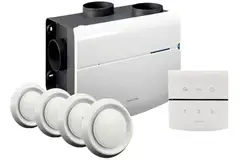
Item number: 19130015
In the FAQ below, we answer the most frequently asked questions about ventilating in winter. Do you have a question about your own home or ventilation system? Feel free to contact our customer service team, we're happy to help you find the right solution.
Open. With closed vents, moisture and CO2 build up in your home, increasing the risk of condensation and mould. In strong winds or severe frost, you can set your trickle vents to a lower position, as long as they are not fully closed. Only with an MVHR unit do you not need trickle vents, because the MVHR unit supplies fresh air itself.
In winter, you ventilate all day long, through open trickle vents or a ventilation system that runs continuously. On top of that, you can air your home a few times a day. How long you need to air your home in winter depends on the weather: in frosty, windy weather, 5 minutes with windows open on two sides of the house is often enough; on a still day, allow 10 to 15 minutes.
No, always leave your mechanical ventilation on in winter. If the extract unit is switched off, moisture, CO2 and cooking smells are no longer removed. Want to save energy? Then choose the lowest setting at night or when you're away.
The most effective way is an air humidifier, which adds extra water vapour to the air. If you have an MVHR unit, an MVHR air humidifier is the easiest solution: you connect it to your MVHR unit, so the air throughout the whole house is humidified. It also helps not to air your home for longer than necessary and not to turn the heating up higher than necessary, because the warmer the air, the lower the relative humidity. With a CO2 monitor that also measures humidity, you can check whether the relative humidity stays between 40 and 60 per cent.
An air conditioner heats the air in the room, but doesn't bring in fresh air from outside. So simply leave your ventilation system on and keep the trickle vents open. A split air conditioner works well with both mechanical extract ventilation and an MVHR unit.
Less than many people think. Dry winter air warms up quickly, while damp indoor air feels colder and makes you turn the heating up higher. With demand-controlled ventilation or an MVHR unit, you limit heat loss even further.
At Ventilationland, we think it is important that we can always be reached and answer your questions as quickly as possible. Therefore, you can reach us in several ways, including via chat or WhatsApp. We are happy to help!