
-13%
-
In stock
Recommended price
75.88
-13%
66.00
Item number: 19825504


An air vent cover and an air valve seem, at first glance, to do the same thing: they let air in or out of a specific space, such as your home. Yet they are two very different products, each with its own place and function. In this blog, we'll first show you the visual difference, and then get to the heart of the matter: when do you use an air vent cover, and when do you use an air valve?
The key points from this blog at a glance:
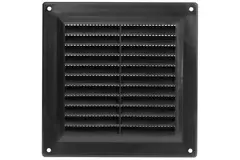
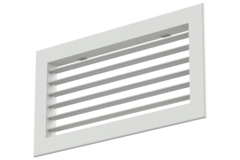
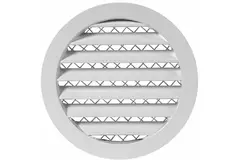
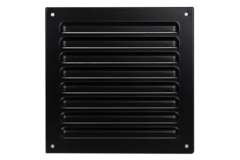
Before we get into how they work, it's helpful to know how to tell an air vent cover apart from an air valve. An air vent cover is usually a long, narrow model that you mount in a window frame, above a window, or in a wall. You can recognise it by its many small slits or holes, often in white, brown, or aluminium, matching the window frame.
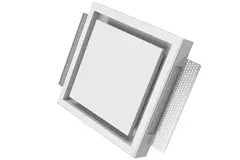
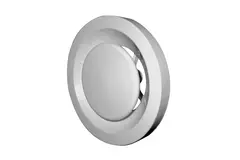
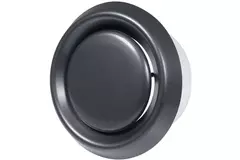
An air valve, on the other hand, is round or square and is almost always located in the ceiling, or sometimes in a wall. It's more compact and has an adjustable cap or ring in the middle, which lets you regulate the amount of air. In terms of material, you can choose between plastic or metal, usually in white. Some valves also come with a plug-in filter, for even cleaner air in your home.

There are also a number of other differences worth knowing. An air vent cover is usually a surface-mounted model: the cover is placed against the wall, window frame, or ceiling. An air valve is often built-in: the valve is placed directly inside the ventilation duct itself.
There are also far more types of air vent covers than you might think. These include, among others, jet vents, ceiling vents, and floor vents. In a typical home, you'll mainly come across wall vents, door vents, window frame vents, and skirting vents. Not sure which type of vent cover suits your room? Then read our blog which air vent cover to choose per room.
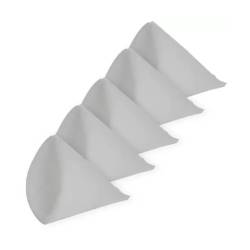
An air vent cover itself usually has no filter. That's why two covers are often used: one on the outside and one on the inside. Together, they cover the hollow space through which the air flows. The main task of these covers is to keep out dirt, dust, and insects. With an air valve, however, a filter is indeed possible. For extraction valves, for example, you can place a cone filter behind the valve. This filter keeps out dust and dirt, preventing it from entering the ventilation ducts or the ventilation unit.
The fixing method also differs. You usually attach an air vent cover with screws, nuts, or wall plugs. An air valve, on the other hand, clicks or slides directly into the round ventilation duct. Finally, there are two more practical differences. An air vent cover is generally cheaper than an air valve. In addition, you'll see an air vent cover more often with natural ventilation, while an air valve is almost always used with a mechanical ventilation system, such as mechanical ventilation or a heat recovery (HRV) system.
Finally, there are two more practical differences. An air vent cover is generally cheaper than an air valve. In addition, you'll see an air vent cover more often with natural ventilation, while an air valve is almost always used with a mechanical ventilation system, such as mechanical ventilation or a heat recovery (HRV) system.
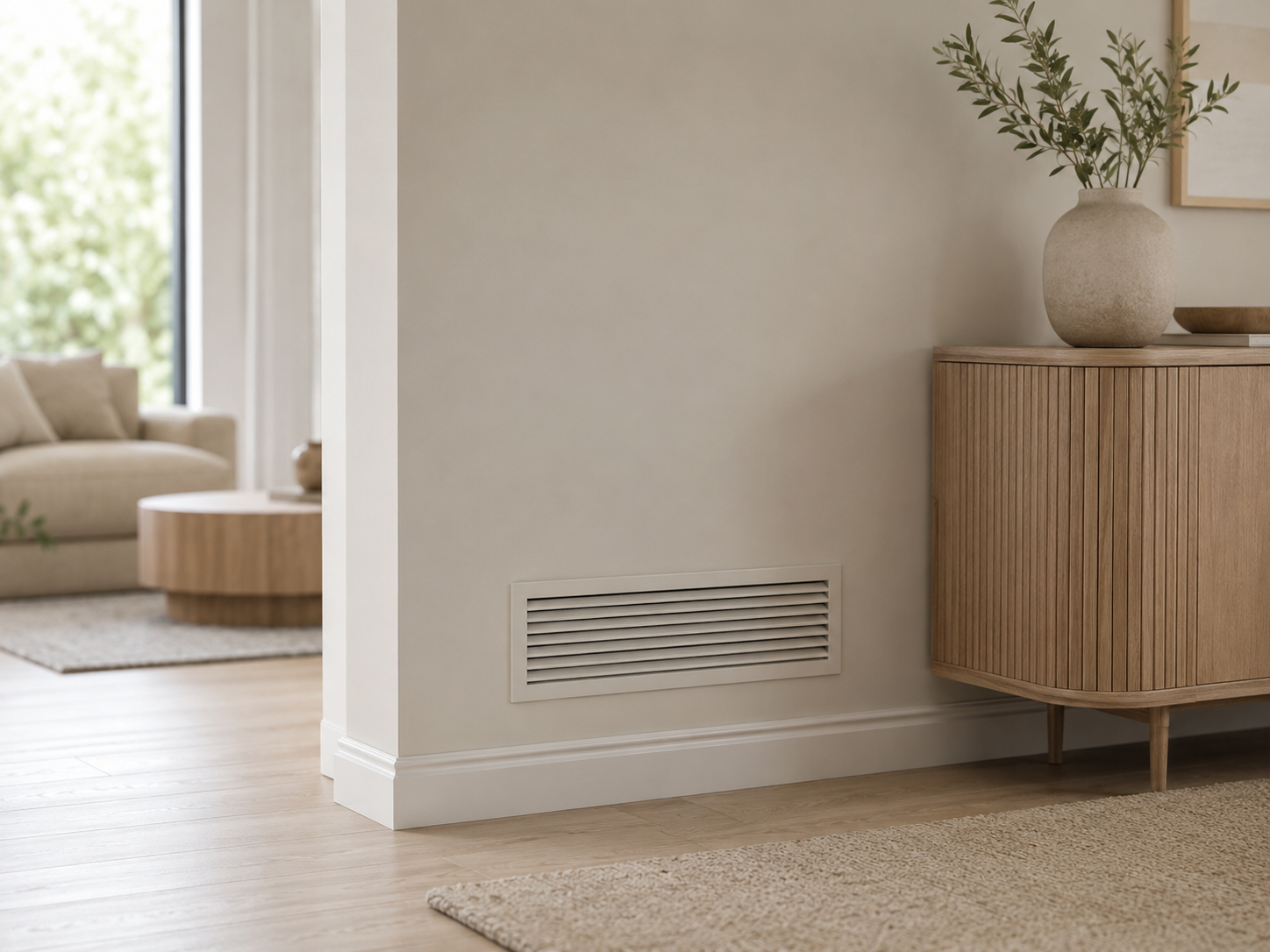
An air vent cover is mainly used for natural air supply. This means no fan is needed: fresh outdoor air flows in on its own, driven by wind and the difference in air pressure between inside and outside. That's why you'll mainly find vent covers in dry rooms such as the living room and bedroom, where fresh air needs to come in without active extraction.
An important feature: a standard air vent cover doesn't need adjusting. It lets through a fixed amount of air, regardless of its position. Only with a slot vent or a (partly) closable vent can you adjust the air flow rate yourself, for example to reduce draughts in winter.
There are also a number of other differences worth knowing. An air vent cover is usually a surface-mounted model: the cover is placed against the wall, window frame, or ceiling. An air valve is often built-in: the valve is placed directly inside the ventilation duct itself.
There are also far more types of air vent covers than you might think. These include, among others, jet vents, ceiling vents, and floor vents. In a typical home, you'll mainly come across wall vents, door vents, window frame vents, and skirting vents. Not sure which type of vent cover suits your room? Click here to read our blog on this topic.
An air valve is used specifically with mechanical ventilation. The valve is connected to a mechanical ventilation unit or a heat recovery unit, which actively extracts or supplies air via ducts. That's why you'll mainly find valves in wet and/or humid rooms such as the bathroom, toilet, and kitchen, where moisture and odours need to be actively removed. In ventilation systems with mechanical supply (heat recovery ventilation), valves are also present in the living room and bedroom(s).
Unlike a vent cover, a valve does need to be adjusted. Each valve has an adjustable ring that lets you regulate the amount of air per room, so the whole house is in balance. This adjustment is usually done once during installation, but it's good practice to check it periodically.

In short: with natural ventilation (system A), air vent covers regulate the air supply. With mechanical ventilation (system C), this is no different: the air supply still runs via vent covers, while valves handle the mechanical extraction. Vent covers are therefore also essential with system C. Only with balanced ventilation (heat recovery) do you typically see only valves, because there both the supply and extraction are mechanically regulated.
Besides their appearance, there's also a functional difference between valves, namely between a supply valve and an extract valve. Both are adjusted by you, but each has a different task. A supply valve is used for mechanical air supply in a heat recovery system and is located in dry rooms, such as the living room and bedrooms. An extract valve, on the other hand, is used for mechanical extraction, both with mechanical ventilation and with heat recovery, and is mainly found in wet rooms, such as the bathroom, toilet, and kitchen.
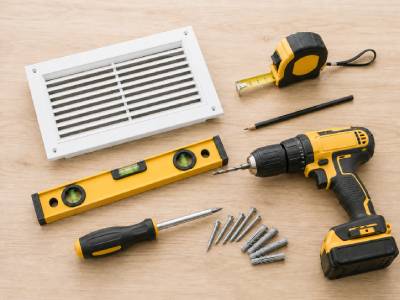
You can usually place or replace an air vent cover easily yourself. First, you measure the size of the opening, choose a suitable model, and then screw or click the cover into the window frame or wall. Maintaining a vent cover mainly involves regularly cleaning the slits, so that dust and dirt don't block the air flow. Want to know exactly how to best place, clean, or replace an air vent cover? Read our in-depth blog on cleaning, placing, and replacing air vent covers for various tips and a step-by-step guide.
Placing an air valve is usually just as easy! Whether it's a first-time installation or a replacement. Is there no hole/opening yet? Then first drill a hole yourself in the right spot, just big enough for the valve. Is there already a valve that needs replacing? Then simply remove it from the opening and click or screw in the new valve, in the same size. In both cases, make sure you always (re)adjust the valve, so the airflow matches the rest of the ventilation system.

When it comes to maintenance, it's important to regularly clean the valve and any filters, especially in wet rooms. Curious about useful tips and the exact steps for adjusting, cleaning, or replacing an air valve? Click here to read our in-depth blog.

Whether you need a vent cover or a valve therefore mainly depends on the type of ventilation in your home and the room where you're placing it. Still unsure, or want to browse our website for a suitable model? Check out our full range of air vent covers or air valves, and choose the model that suits your home. Do you still have questions about which solution best suits your situation? Our team is ready to help you! You can reach us in various ways, including via WhatsApp!
Item number: 19825504
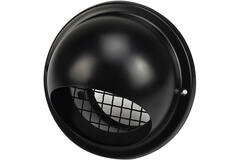
Item number: 76020065

Item number: 35002021
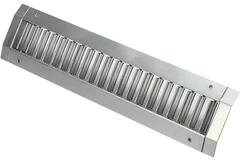
Item number: 76020080

Item number: 19825501

Item number: 35001016
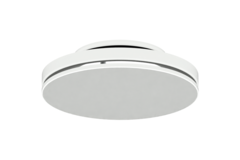
Item number: 79000371
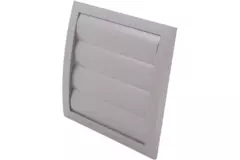
Item number: 35010004
Item number: 35006084
Item number: 19140067

Item number: 37130008
Item number: 79000078

Item number: 35015001

Item number: 19402356
Item number: 35018007
Item number: 35002151
Item number: 76021003
At Ventilationland, we think it is important that we can always be reached and answer your questions as quickly as possible. Therefore, you can reach us in several ways, including via chat or WhatsApp. We are happy to help!