
-20%
-
In stock
Recommended price
21.26
-20%
17.02
Item number: 76021020


Do you want to paint your ventilation grille? In many cases, this is possible, as long as you use the right paint and make sure the air openings remain unobstructed. A ventilation grille not only has a visible finish, but also plays a functional role in the air supply or air extraction of a room. In this blog, we explain when you can paint a ventilation grille, what to look out for and how to prevent the grille’s performance from being reduced.
Yes, in many cases you can paint a ventilation grille. This does depend on the material, the condition of the grille and where the grille is used. Plastic, aluminium, steel and wooden grilles all require different preparation and sometimes also a different type of paint. The most important thing is that you do not paint the grille shut. The openings, louvres or slots must remain unobstructed so that air can continue to flow through properly. It is therefore better to apply several thin coats of paint rather than one thick coat. Always check whether the grille is suitable for painting. On some grilles, paint may not adhere as well or the finish may become damaged.
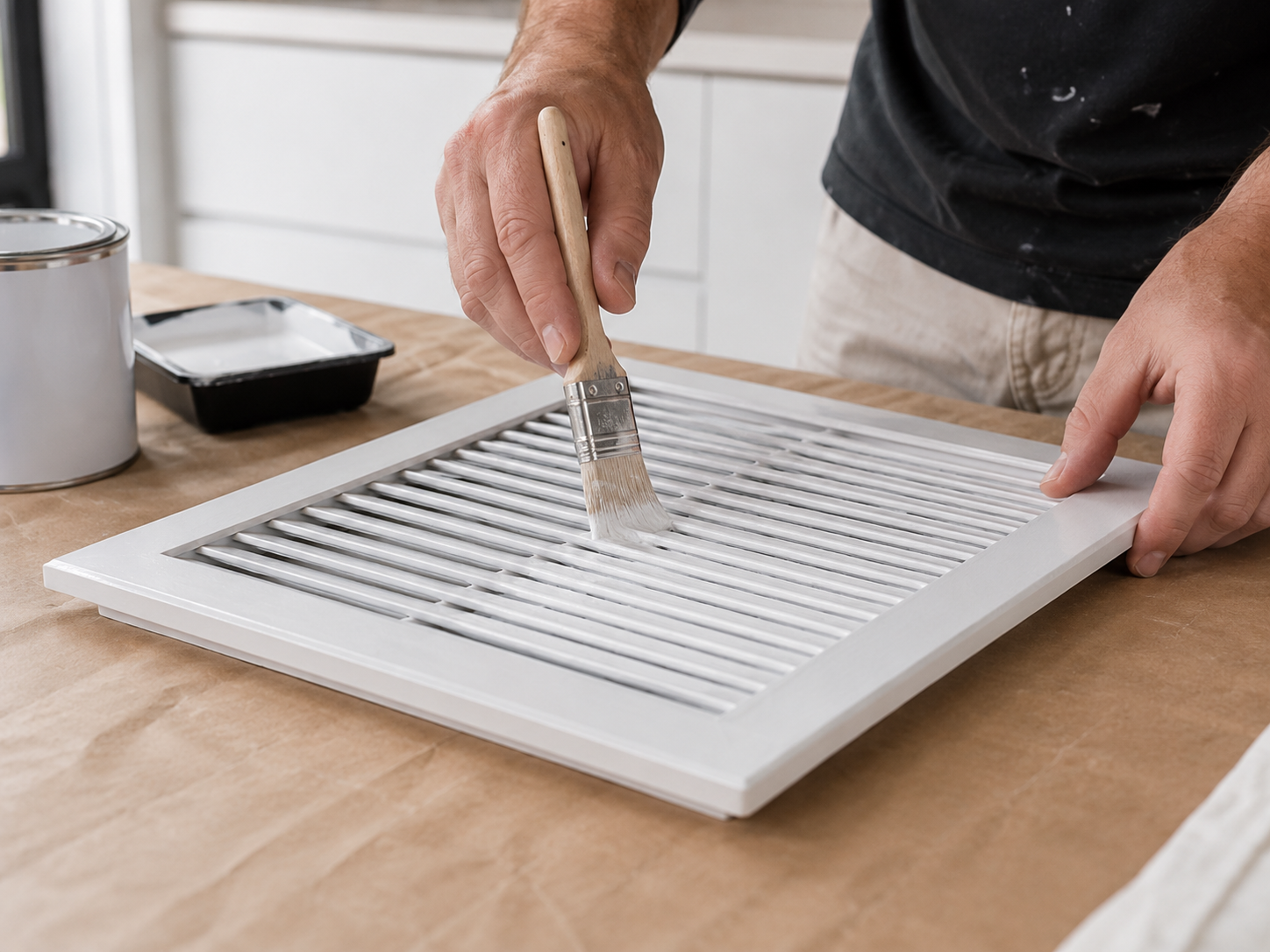
Is the grille heavily soiled, damaged, rusted or deformed? Then replacing it is often wiser than painting over it.
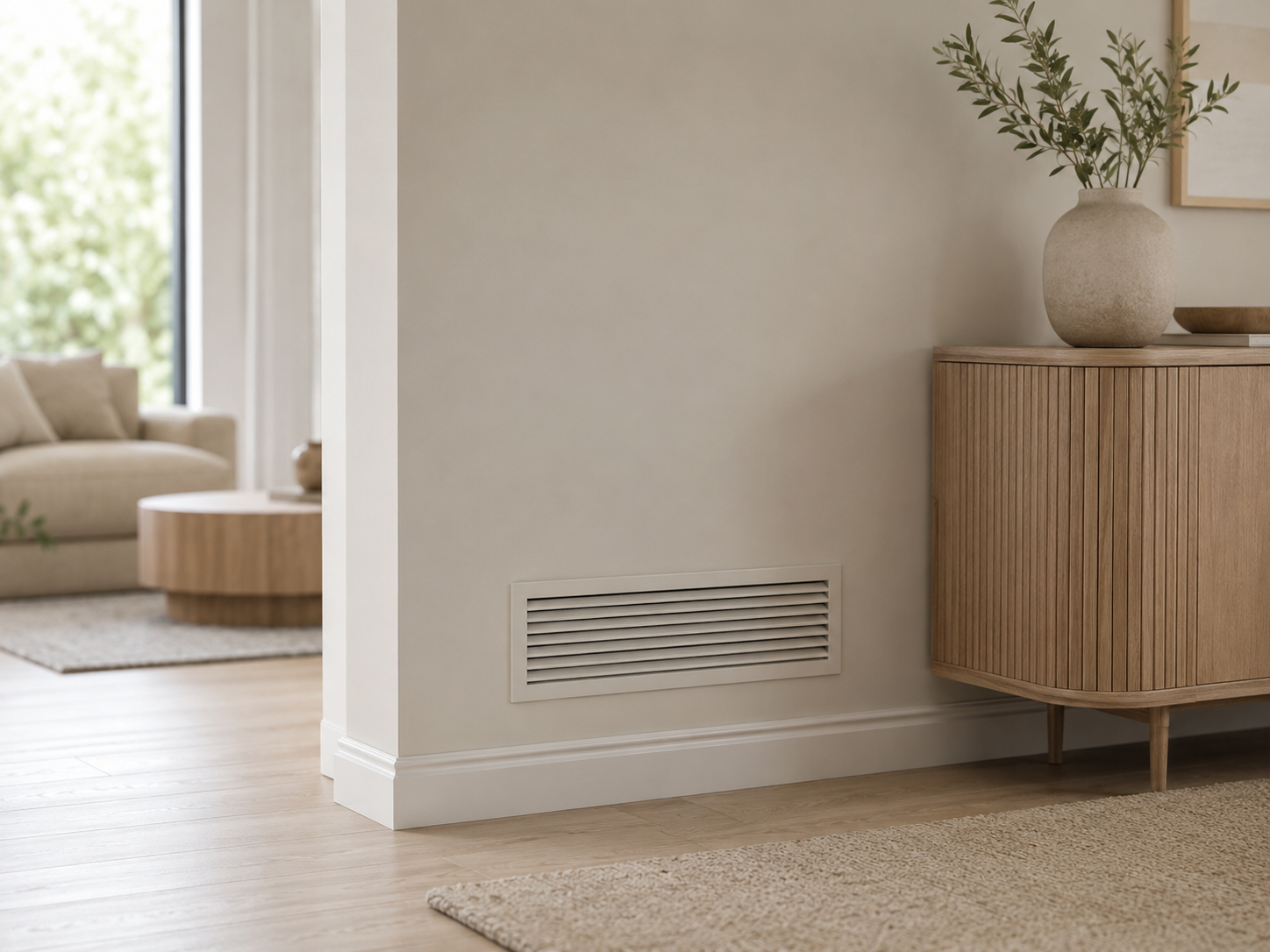
Many people want to paint a ventilation grille because the grille needs to better match the interior. For example, a white grille on a dark wall, an outdated grille in a recently renovated room or a grille that no longer matches a new colour on the wall or ceiling. Painting can also be a cost-saving solution. If the grille still works properly from a technical point of view, but no longer looks good in terms of colour or appearance, you do not always have to replace it straight away. With the right preparation, painting can then be a neat solution. Are you actually going to paint your grille? Then below, we explain exactly how to do it.
Make sure, however, that appearance does not become more important than function. A ventilation grille must continue to allow air to pass through. As soon as paint makes the openings smaller or fixes moving parts in place, the ventilation may become less effective.
Painting a ventilation grille starts with thorough cleaning and degreasing. Paint does not adhere well to dust, grease, dirt or old loose layers of paint. Preferably remove the grille if possible. This allows you to work more neatly and prevents paint from getting on the wall, ceiling or duct.
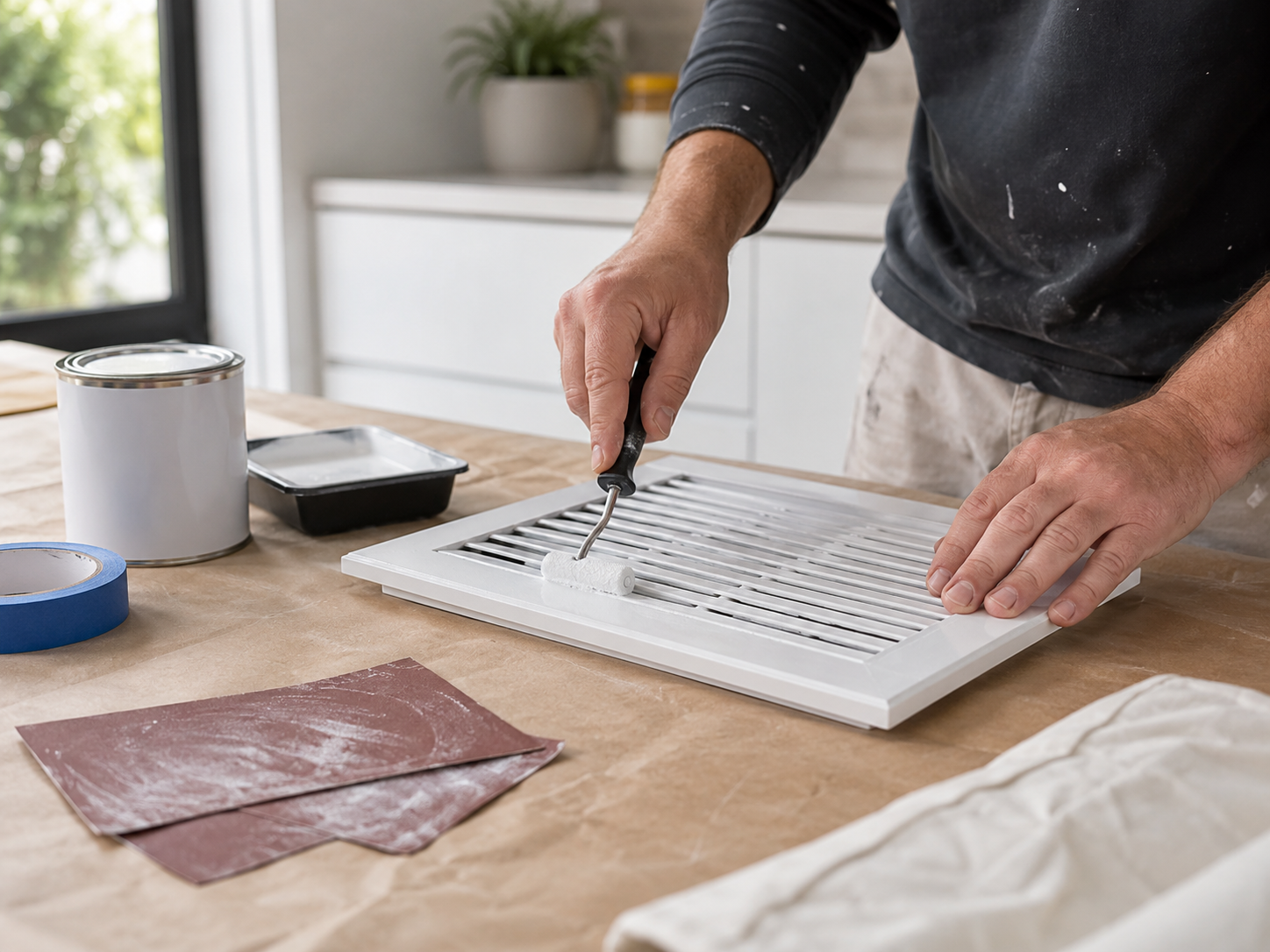
Preferably use paint that is suitable for the material of the grille. For a plastic ventilation grille, for example, use paint and primer that are suitable for plastic. For metal grilles, choose paint that is suitable for metal and, if necessary, offers protection against rust. Do not paint over moving parts if the grille is adjustable. This could cause the grille to get stuck or work less effectively.
When painting a ventilation grille, the airflow is especially important. The openings must not become clogged with paint. This applies especially to grilles with fine louvres, slots or insect mesh.
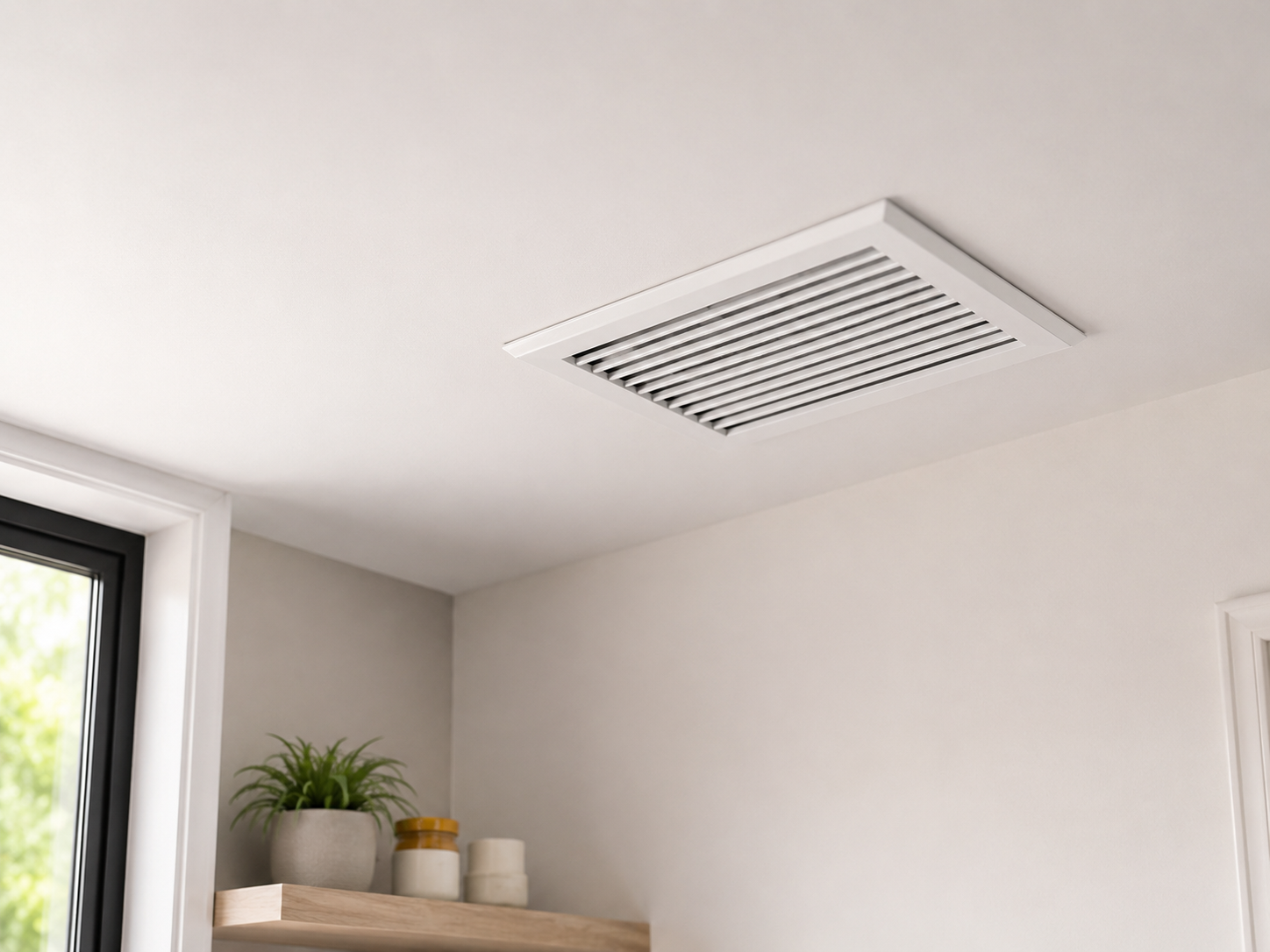
Do you want to paint an external grille? Then choose paint that is suitable for outdoor use and resistant to moisture, temperature changes and dirt. For grilles on the outside, it is extra important that the paint adheres well and does not start flaking quickly.
You maintain a painted ventilation grille in the same way as a normal grille, but with a little more care. Clean the grille regularly with a soft cloth, soft brush or vacuum cleaner with a brush attachment. Do not use aggressive cleaning agents or hard brushes, as these can damage the paint layer. How often you need to repaint a grille depends on its location and the level of wear. A grille in a dry room usually stays looking good longer than a grille in a damp room or on the outside of the home. Therefore, check the grille a few times a year for dirt, damage, discolouration or peeling paint.
You can repaint a ventilation grille several times, but do not do this indefinitely without preparation. Old layers of paint can build up and make the openings smaller. As a result, the airflow may be reduced and the grille may look less neat. Do you want to change the colour again? Then first clean and lightly sand the grille and remove any loose paint before applying a new thin coat. Has the grille become less attractive after several layers of paint, or does it noticeably allow less air through? Then replacing it is often the better choice.
Painting a ventilation grille can be a good solution if you want the grille to better match your interior. It is often more affordable than replacing it and can create a neat, fresh look. However, pay close attention to the function of the grille. The air openings must remain unobstructed and moving parts must not get stuck. Use the right paint, work with thin coats and check after painting whether the air can still flow through properly. Is the ventilation grille damaged, outdated, deformed or already thickly painted over several times? Then a new ventilation grille is usually the best choice. At Ventilatieland, you will find a wide and varied range, with the right product for every room and/or style!
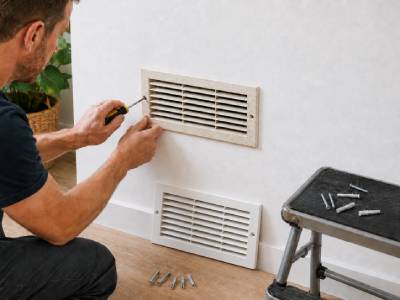
Item number: 76021020
Item number: 35010004
Item number: 76020013
Item number: 35011003
Item number: 35020026
Item number: 79000076

Item number: 35005003
Item number: 35004002
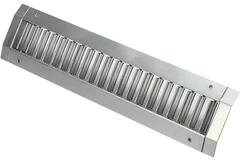
Item number: 76020070
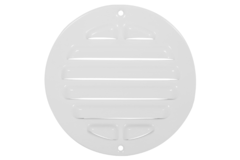
Item number: 76021004

Item number: 35015002
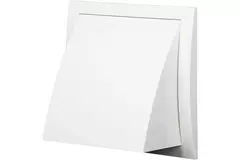
Item number: 32011022

Item number: 76020038
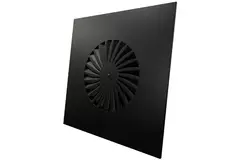
Item number: 76021077
Item number: 79000371
Our ventilation specialists are happy to help you choose the right ventilation solution for your situation. Also view our range of ventilation grilles and choose the ventilation grille or air valve that suits your application. Do you still have other questions after reading this blog about grilles and/or air valves, or how to use them? We would be happy to hear from you! You can reach us via WhatsApp, phone, email or chat.
At Ventilationland, we think it is important that we can always be reached and answer your questions as quickly as possible. Therefore, you can reach us in several ways, including via chat or WhatsApp. We are happy to help!