
-5%

-
In stock
Recommended price
16.73
-5%
15.89
Item number: 35002021


Cleaning, installing or replacing an air vent cover is important for good indoor air quality. Dirty or clogged air vent covers allow less air to pass through, meaning humid and polluted air is removed less effectively. A dirty cover can also make your ventilation system work less efficiently. In this blog, you will learn how to clean an air vent cover and what to pay attention to when cleaning one. We also explain how to clean the mesh of an air vent cover without damaging it. In addition, you will read when replacement is better than cleaning and how to install an air vent cover correctly.
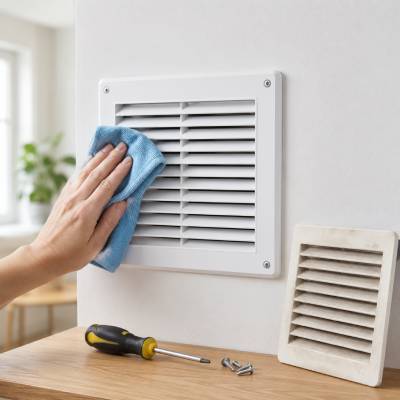
Please note: the more airtight and better insulated a home is, the more important controlled ventilation becomes. In homes with balanced ventilation with heat recovery, fresh air is supplied and extracted mechanically. In such systems, separate air vent covers for natural air supply are usually not common, because they can disrupt the balance of the system. Air vent covers are mainly used for natural ventilation or mechanical ventilation where air is supplied through grilles or gaps.
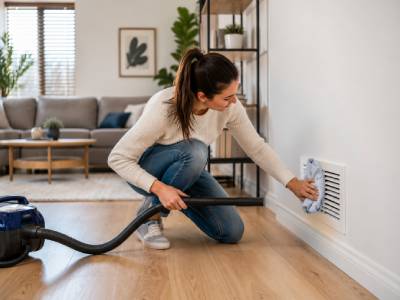
Cleaning an air vent cover is important to maintain proper airflow. Dust, dirt, grease and insect remains can clog the cover, causing the room to ventilate less effectively and the ventilation system to work less efficiently. Therefore, clean the cover regularly, especially when you see dust buildup. How you clean the cover depends on the type and material. A plastic cover should be cleaned carefully with a damp cloth, while a metal or stainless steel cover can often be cleaned a little more firmly. Pay extra attention to louvred grilles, ceiling grilles and covers with insect mesh, as these collect dirt more easily or are more fragile.
Tip: do not use aggressive cleaning agents, abrasives or hard brushes. These can damage plastic, paintwork or insect mesh. Preferably use a mild cleaning agent, especially when the cover is part of a ventilation duct or ventilation system.
A wall grille and ceiling grille are basically cleaned in the same way. The biggest difference is accessibility. With a ceiling grille, more dust may fall down, so place a cloth on the floor if necessary and use a sturdy step ladder. First vacuum away the visible dust. Then remove the cover if this can be done easily. Also clean the first section behind the cover with a vacuum cleaner or soft brush. This is especially useful when there is a lot of dust in the opening or when the cover is connected to a ventilation duct.
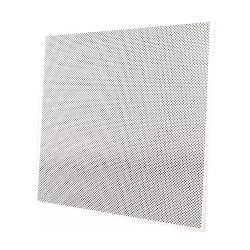
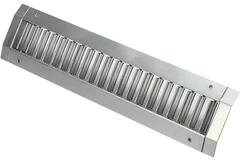
With a louvred grille, dirt often remains between the louvres. Therefore, first use a vacuum cleaner with a brush nozzle and then clean along the louvres with a soft brush or damp cloth. Do not bend the louvres open and do not use hard objects to loosen dirt. This may damage the cover or reduce its performance. Louvred grilles on the outside of the home can become extra dirty due to rain, dust, leaves and insects. Therefore, also check whether the opening behind the cover is clear.
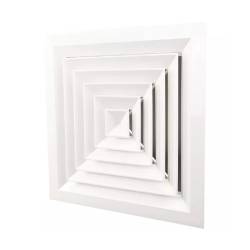
A cover with insect mesh requires extra care. The mesh prevents insects and larger dirt particles from entering through the cover, but it can become clogged with dust and dirt. The best way to clean an air vent cover with mesh is with a soft brush, a vacuum cleaner on low suction power or a damp cloth. Do not press too hard on the mesh and do not use sharp objects. If the mesh is very full of dirt, gently loosen it with a soft paintbrush or brush. If the mesh is torn, has come loose or can no longer be cleaned properly, replacement is often the better choice. In our range, most products are air vent covers with mesh!
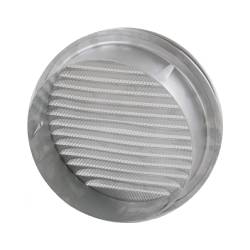
Cleaning an old air vent cover requires extra care. Old covers can be stuck due to paint, rust, dirt or deformation. Only unscrew the cover if this can be done without force. If you apply too much force, the cover may break or you may damage the wall, ceiling, frame or duct. Can’t remove the cover? You can still clean it with a vacuum cleaner, soft brush, compressor or compressed air can. This is especially useful for small covers or in places that are harder to reach. Make sure you do not blow dirt deeper into the duct if the cover is connected to a ventilation system. If the cover is damaged, rusty, deformed or remains clogged despite cleaning, replacement is often the best choice.
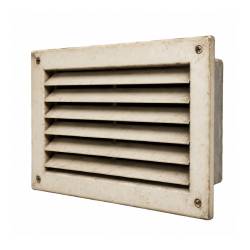
An air vent cover in or near a window can become dirty over time due to dust, pollen and outdoor dirt. Cleaning a window air vent cover can usually be done without dismantling the entire cover. First carefully vacuum the dirt from the openings. Then use a soft brush or damp cloth to clean the visible parts. If the window grille has a slider, feel free to open or close it briefly during cleaning to reach all parts properly. Then allow the cover to dry and return the slider to the desired ventilation position. The most important thing is that the cover allows sufficient air to pass through again after cleaning.
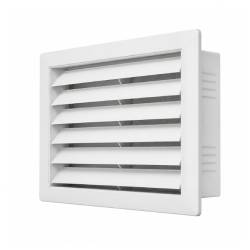
Replacing an air vent cover is a good idea when the cover is damaged, outdated, rusty, deformed or can no longer be cleaned properly. Replacement may also be necessary when you want a cover that better suits the room, ventilation duct or desired look. When replacing air vent covers, pay attention to:
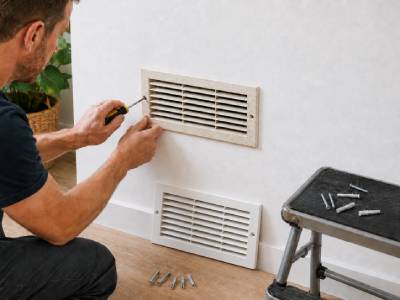
Tip: if you are removing the cover anyway, this is a good time to clean the space behind it. Dust, dirt or grease often builds up here. However, only clean the accessible section and do not push dirt further into the duct.
You cannot always simply switch shape, type or material. A cover must fit the size of the opening, the connection to the duct and the required airflow. A smaller cover or a cover with less free passage can restrict ventilation. An incorrect outdoor grille can also cause draughts, rain ingress or more noise. For example, do you want to switch from a plastic cover to stainless steel, or from a standard cover to a louvred grille? Always check whether the size, installation method and application match. If in doubt, it is wise to replace the same type of cover with a comparable model with the same connection size.
You dispose of an old air vent cover based on the material. Plastic covers usually belong with residual waste or at the recycling centre, depending on local waste regulations. Metal, aluminium or stainless steel covers can often be handed in as metal at the recycling centre. Always check your municipality’s waste regulations, as collection may differ by location.
Air vent covers can be installed in different ways. Some covers are screwed against a wall, ceiling or duct. Other covers have a mounting sleeve or clamp fitting. For door grilles, plinth grilles or certain wall grilles, an opening must first be created. The exact installation differs per type of cover, material, size and application. Therefore, always consult the product information or installation manual for the specific cover. The steps below provide a general procedure.
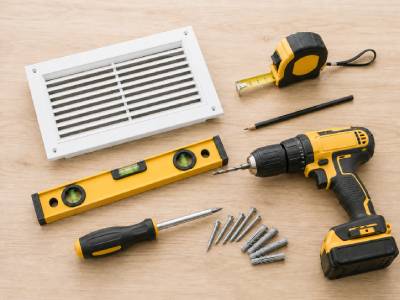
Please note: with an outdoor grille, it is important that rainwater cannot easily run inside. With an indoor grille, the correct size, finish and air supply or extraction are especially important. Are you unsure about the installation or the right type of cover? Check the product documentation or contact us.
Ventilation valves are used in mechanical ventilation and heat recovery ventilation systems. They are often adjusted so that each room extracts or supplies the right amount of air. That is why cleaning a valve is slightly different from cleaning an air vent cover. Click here to read everything about cleaning ventilation valves.
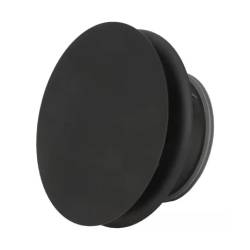
Clean air vent covers are important, but they are only one part of good ventilation. If you have a mechanical ventilation system or heat recovery ventilation unit, the ventilation unit, filters, ducts and valves can also become dirty. As a result, the system may move less air, make more noise or operate less efficiently. With mechanical ventilation, air is extracted from rooms such as the kitchen, bathroom and toilet. Fresh air then usually enters through covers, gaps or transfer openings. With heat recovery ventilation, air is extracted mechanically and supplied mechanically. That is exactly why it is important that the system remains properly clean and balanced. You can read more information about cleaning a mechanical ventilation system or heat recovery ventilation unit in this article: how can I clean my mechanical ventilation or heat recovery ventilation unit?

Item number: 35002021
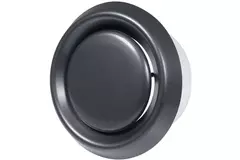
Item number: 35002151
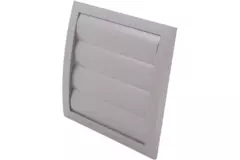
Item number: 35010004
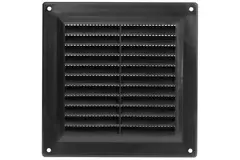
Item number: 35006084

Item number: 35015001

Item number: 19825501
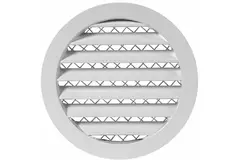
Item number: 35018007
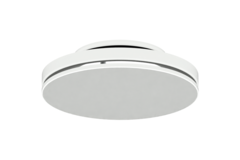
Item number: 79000371

Item number: 19402356
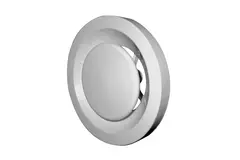
Item number: 19140067
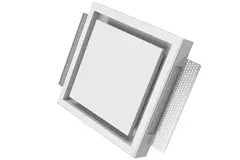
Item number: 19825504

Item number: 37130008
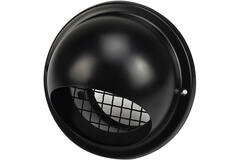
Item number: 76020065
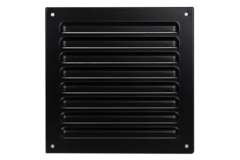
Item number: 76021003
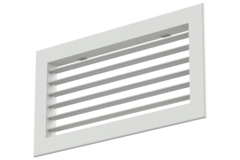
Item number: 79000078
Item number: 76020080

Item number: 35001016
Our ventilation specialists will be happy to help you choose the right ventilation solution for your situation. Also view our range of air vent covers and choose the air vent cover or ventilation valve that suits your application. Do you have any other questions after reading this blog about grilles and/or valves, or about using them? We would be happy to hear from you! You can reach us via WhatsApp, phone, email or chat.
At Ventilationland, we think it is important that we can always be reached and answer your questions as quickly as possible. Therefore, you can reach us in several ways, including via chat or WhatsApp. We are happy to help!