


Free shipping from 100,-
100 day return period
Price Incl Vat

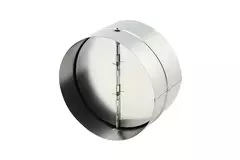
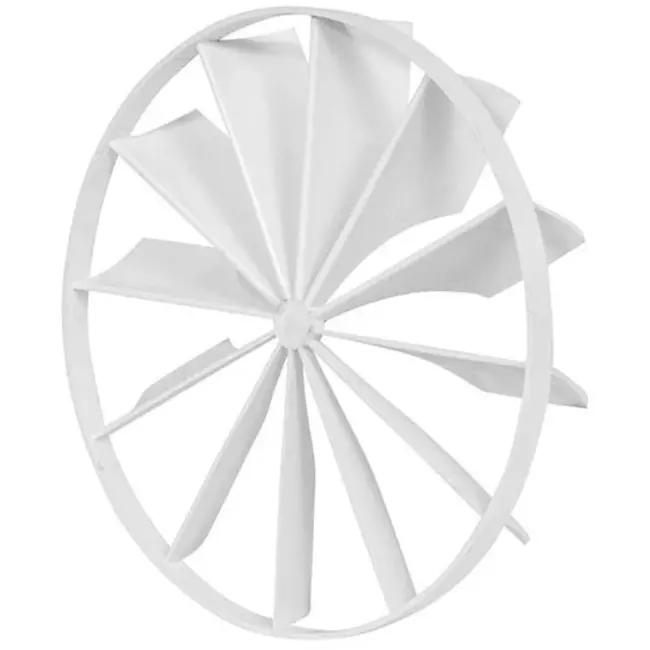
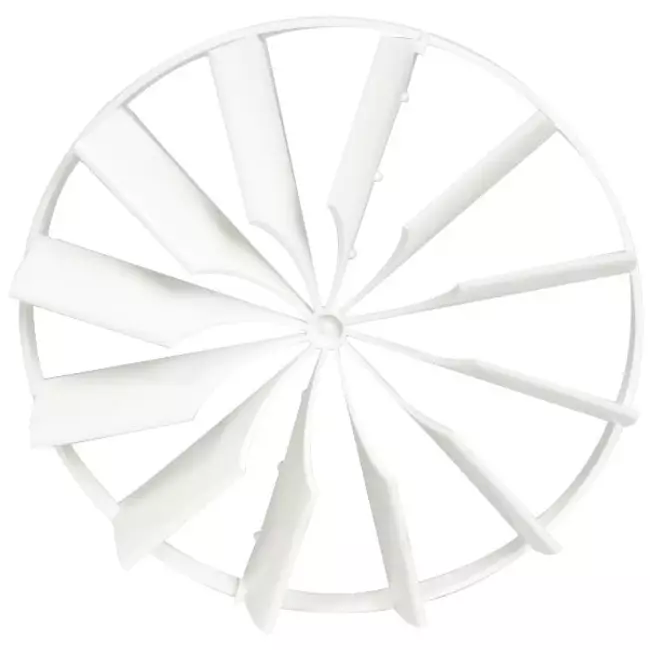
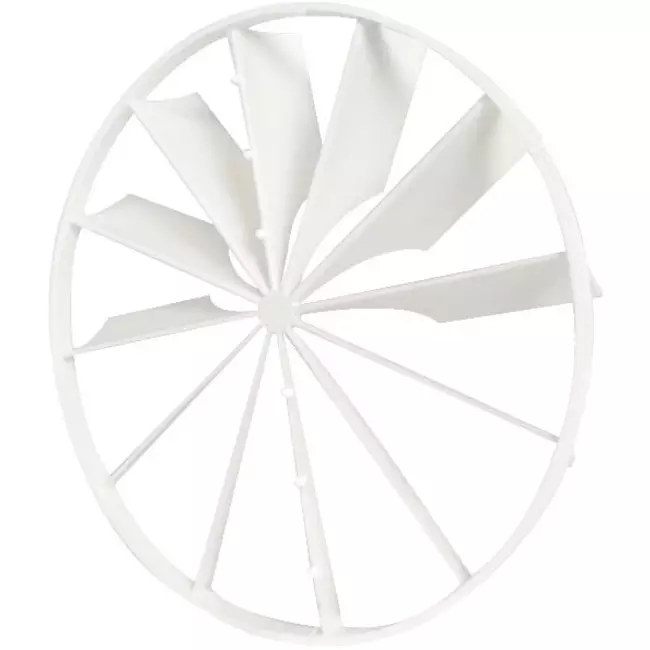
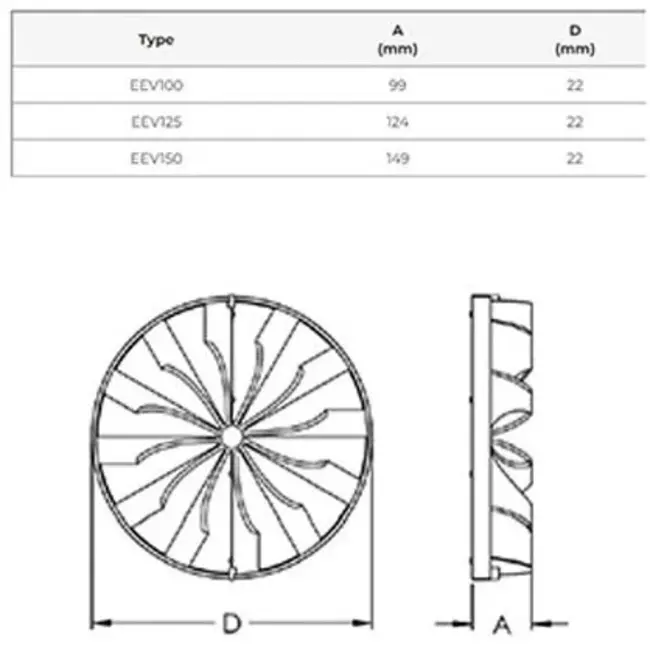
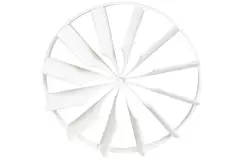
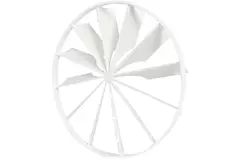
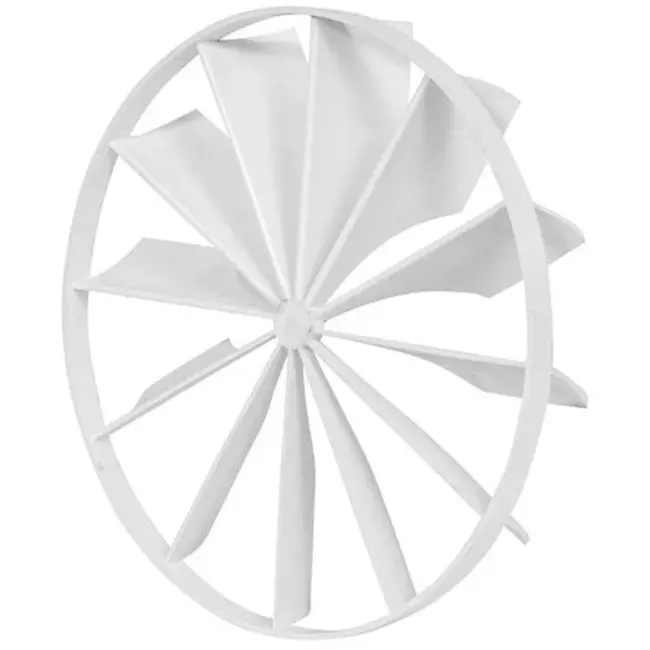
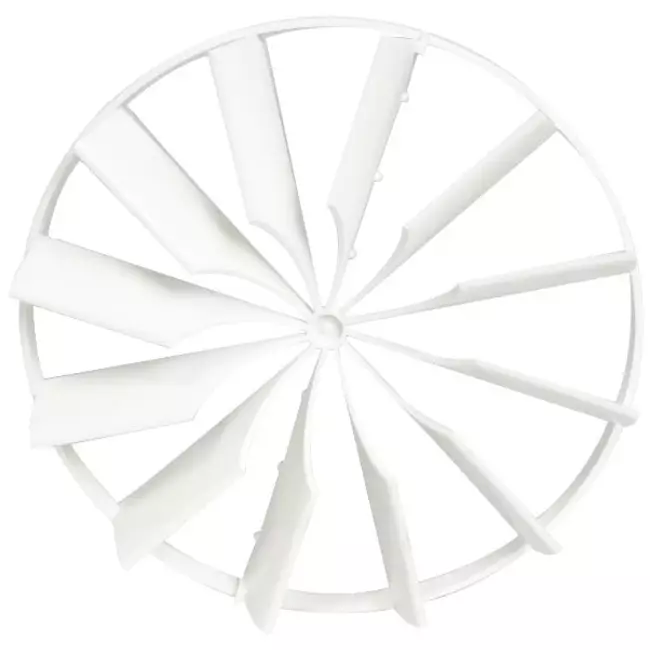
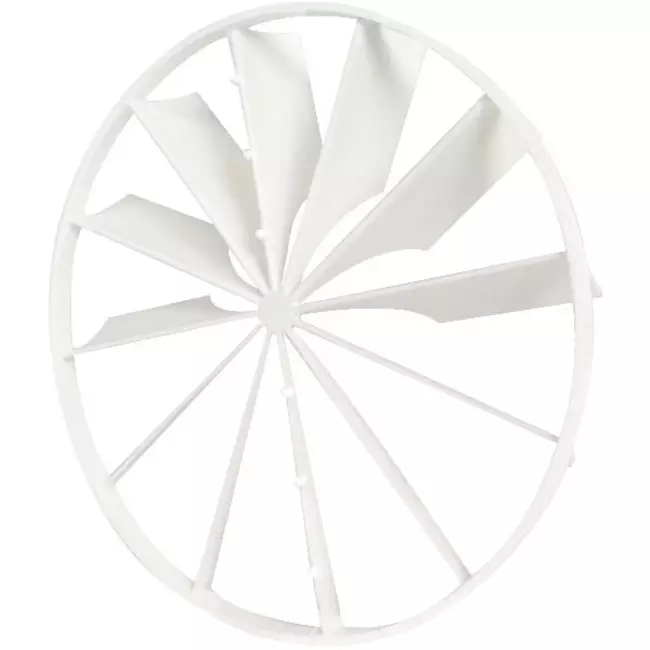
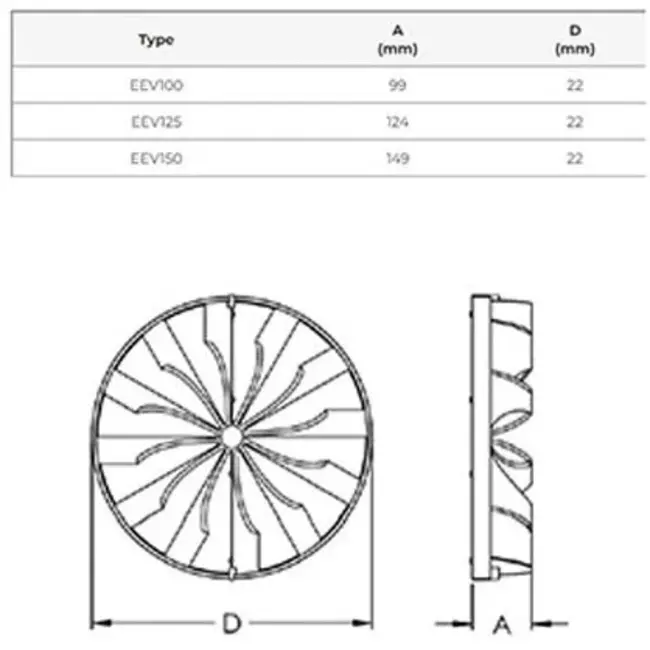
Plastic non-return valve Ø 125 mm EEV125

Plastic non-return valve Ø 125 mm EEV125
-48%
RRP 10.54
5.48 -48%
You'll save 5.06
  • In stock
  • The largest collection in the United Kingdom
  • 100 day return period
  • Customer review 9/10
  • Safe shopping with Trustedshops

Pay safe and fast with:

  • Creditcard
  • PayPal
  • Apple Pay

Good points

  • Plastic
  • Ø 120 mm Ø

Plastic non-return valve Ø125 mm

For backflow ventilation air at bathroom extractor fan. Suitable for the standard, luxury and design fans on our website with Ø 125 mm.

Brand Europlast
Category Bathroom extractor fan 125mm
GTIN 4750492008607
Manufacturer's item number 75190019
Article number 75190019

Specifications

Fastening material available [translate]
Category code 22
Suitable for wireless control [translate]
GTIN 4750492216514
Colour White
Material Plastic
Brand Europlast

Documents

Documents

Reviews

Blogs

See all blogs
Easily install bathroom fan yourself
When you buy a bathroom fan, you obviously want to be able to use it as soon as possible. The quickest way to do that is to install it yourself, of course. But how do you actually do that? In the step-by-step plan below, we explain in a simple step-by-step manner the best way to do so. We also have an instructional video that you can watch below! In the step-by-step plan below, we also explain how to install bathroom ventilation with timer and humidity sensor.
  • Joris Smeur
  • 25-02-2026
Tips to reduce your energy bills with good ventilation
Energy prices are skyrocketing, and decesion have to be made between eating or heating. It is time to make our homes more sustainable and thus save energy. In summer, our homes use less energy than in winter. In summer you are outside more often and the heating does not have to be switched on. In winter, we often keep the windows closed to keep the heat in, but unfortunately that is when the problems arise. There is no fresh air coming into our well insulated houses. The lack of fresh air leads to high CO2 levels, which in turn leads to various health complaints.
  • Felix Dijkmeijer
  • 30-09-2022