
-25%

-
In stock
Recommended price
70.70
-25%
53.03
Item number: 72600020


A flexible duct is an important part of almost every ventilation system. But with so many different types, diameters and applications, it isn't always clear which duct is the best option. In this blog we explain what you use a ventilation duct for, which types are available, which duct suits your situation and what to look out for when choosing and fitting your new duct.
The key points from this blog at a glance:
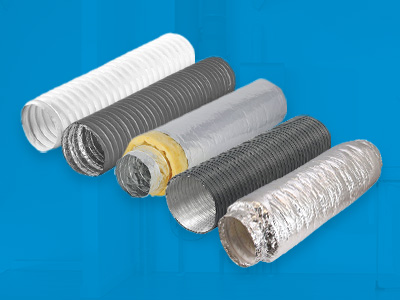
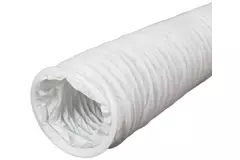
Flexible ventilation ducts are made from various materials, each with its own characteristics. Aluminium (such as Aludec) is lightweight, durable and airtight. Polyester (such as Greydec) is flexible and suitable for a wide range of applications. PVC is moisture-resistant and low-maintenance. For more demanding conditions, such as with a cooker hood, combined ducts are also available (such as Combidec) with multiple layers of aluminium and polyester, reinforced with a steel wire spiral. In all cases, choose a good-quality duct so it doesn't tear, sag or come loose from the connection.

For many DIY enthusiasts, installing an MVHR system is very achievable. You don't need a certified installer for the installation itself, but some technical knowledge is required. Think of basic knowledge of electrics, working with ventilation ducts and a good understanding of an installation manual. If you have that knowledge, you can install, connect and commission an MVHR unit without needing to call in a professional. Still in doubt? Then it's smart to contact our specialists beforehand. They are happy to think along with you.
Not every ventilation duct is the same: they differ, for example, in diameter, length, material and insulation, and that makes quite a difference for the job you use them for. To make things easy, we've divided our range into a number of recognisable product lines. This way, you can see at a glance which duct suits your situation:
Looking for a ventilation duct you can buy online at the best price? You've come to the right place! We offer a wide range of flexible ducts. What's more, every product line is available in multiple lengths and diameters, so you'll always find a duct that fits perfectly. Below you'll find all the products in our range clearly listed, so you're just one click away from the right duct.
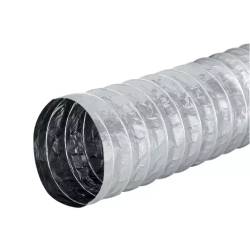 Aludec Aluminium Flexible duct
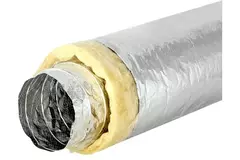
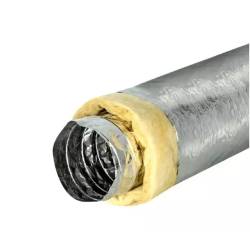 Isodec Thermally Insulated Flexible duct
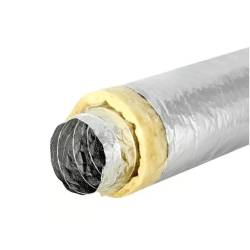 Sonodec Acoustic insulated Flexible duct
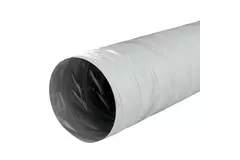
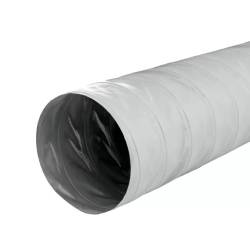 Greydec Polyester Flexible duct
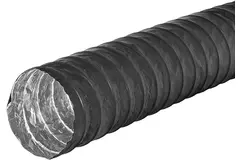
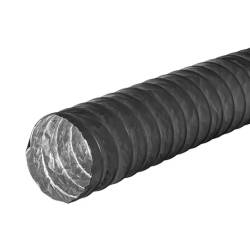 Combidec Flexible duct
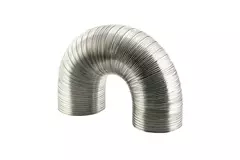
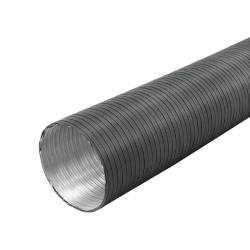 Semi-Flexible duct Aluminium
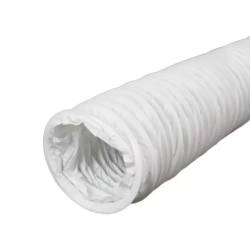 PVC flexible ducting hose
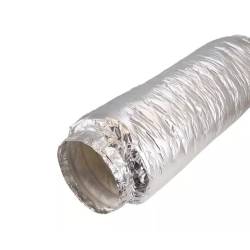 Flexible Sound Dampers
The best choice depends heavily on where and for what you use the duct: think of the type of application, the place where you connect the duct and whether it runs through a heated or unheated space. Below we explain the most common situations, with our top recommendation for each one.
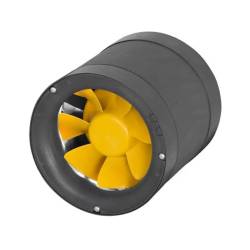
Is the distance between your bathroom fan and the wall or roof vent longer than 1.5 metres? Then you'll need an in-line duct fan, combined with rigid ducting (plastic or galvanised steel) or flexible ducts. Best match: the Sonodec acoustically insulated duct, so the noise of the fan doesn't carry into the room. Does the ventilation duct run through an unheated space, such as a crawl space or attic? Then choose the Isodec thermally insulated duct to prevent condensation.
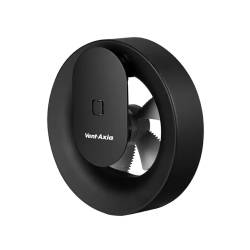
Do you have a standalone bathroom fan that isn't connected to a central ventilation system? Then you'll usually use a shorter, narrower bathroom duct to connect the fan to the wall or roof vent. Because the distance is often short, this duct doesn't need extra insulation. Best match: the semi-flexible aluminium duct is the best fit here. It holds its shape even when bent (stays "straight"), which is handy for a short, neat, visible connection between the fan and the wall or roof vent. The PVC flexible duct is a good alternative, especially due to its moisture resistance.
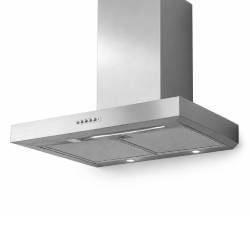
For a cooker hood in the kitchen, you usually choose a sturdier flexible duct with a larger diameter, so that cooking vapours and grease are properly extracted. Keep the duct preferably between 3 and 5 metres: if it's longer, wall resistance increases and you lose extraction capacity. Does the duct run through a cold or unheated space, such as a crawl space, attic or exterior wall? Then an insulated flexible extraction duct is recommended, so the warm, moist kitchen air doesn't condense against a cold surface. Best match: the Combidec Flexible Duct, since it's resistant to sparks, acids and bases, making it perfectly suited to the heat and grease of a cooker hood.
With mechanical ventilation (system C), you use a flexible duct in several places. It often bridges the first few metres directly from the ventilation unit to the rigid ducting, but it's also used as the final connection between the duct and a valve (or sometimes a grille) in the ceiling or wall. A mechanical ventilation flexible duct needs to fit the ventilation unit properly and be flexible enough to bridge small angles without restricting airflow. Best match: the Greydec Polyester Flexible Duct is often used for regular duct connections. Want to dampen the noise of the ventilation system (for example towards bedrooms)? Then the Sonodec Acoustically Insulated Flexible Duct is the option to go for.
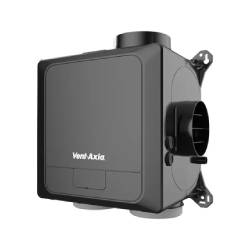
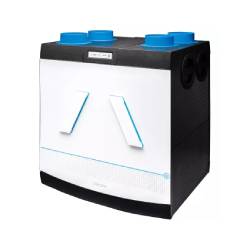
Do you have an MVHR unit with heat recovery (system D)? Then an insulated MVHR flexible duct is often the best choice, as it prevents heat loss and condensation forming inside the duct. An MVHR flexible duct is used in several places: it often bridges the first few metres directly from the MVHR unit to the rigid ducting, and you'll usually also connect it between the duct and the valves in the various rooms. Best match: the Isodec Thermally Insulated Flexible Duct. This is perfect for MVHR and suitable as a sound damper for MVHR installations. It prevents heat loss and condensation, which is crucial for heat recovery.
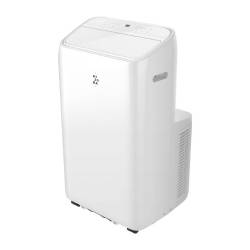
A portable air conditioner isn't part of a ventilation system, but it does use a similar flexible duct to vent warm air outside through a window or wall vent. Because the connections vary by model, you'll typically find these ducts in diameters from 80 to 200 mm, with or without insulation. If in doubt, always choose a duct that matches the diameter of your air conditioner's connection, and keep the duct as short and straight as possible for the best result. Want to know more about flexible ducts for a portable air conditioner? Click here to read our blog!
Besides the right situation, there are also a number of general points to pay attention to for every ventilation duct. We've listed exactly what these are below.
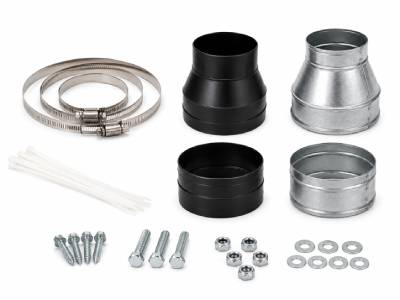
In addition to the right ventilation duct, you'll often also need fastening materials to connect the duct properly and airtight to, for example, the ventilation unit, extractor fan, valve or ventilation grille. Think of:
Now that you know what a ventilation duct is used for, which types are available and what to look out for, you can easily make the right choice for your situation. View our full range of flexible ventilation ducts here and quickly find the duct that suits your ventilation system. Do you still have questions about choosing the right ventilation duct? Our specialists are happy to help! You can reach us via WhatsApp, chat, phone or email, among other channels.

The key points from this blog at a glance:
Item number: 72600020

Item number: 72510110
Item number: 72560080

Item number: 72500008
Item number: 72500512
Item number: 72600015
Item number: 72500516
Item number: 72500112
Item number: 72530001
Item number: 72600012
Item number: 72700001
Item number: 72800002
Item number: 72510510
Item number: 72600010
Item number: 72560120
At Ventilationland, we think it is important that we can always be reached and answer your questions as quickly as possible. Therefore, you can reach us in several ways, including via chat or WhatsApp. We are happy to help!