

Humidity in your home - What it is and what you can do about it!
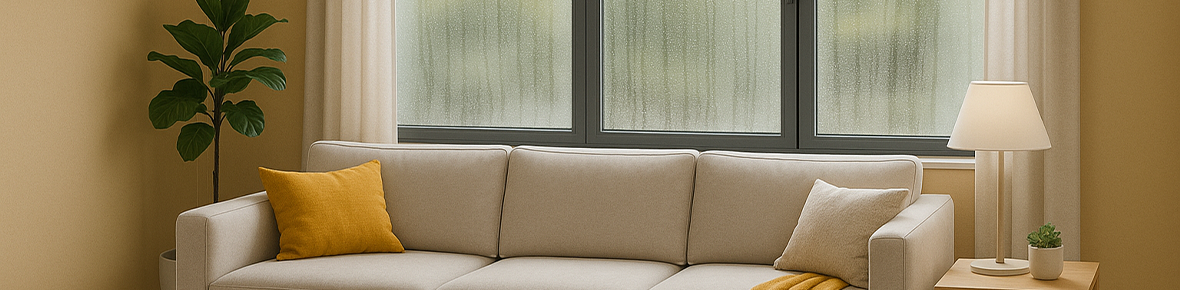
Do you sometimes wake up with a dry throat in the morning? Do the windows occasionally mist up or do you notice mould spots appearing on the wall in the bathroom? If so, there's a good chance that the humidity in your home isn't optimal. Many people don't give it much thought, but a healthy indoor climate starts, among other things, with a good balance in humidity. The ideal humidity level in a home is between 40% and 60%. If you're structurally above or below this, you may run into problems in the house or with your health. Think of mould growth in the bathroom, wood rot or allergies and other physical complaints. A good example of this is dry skin or frequent coughing. Fortunately, there are smart solutions to tackle this, including through ventilation. In this blog, we'll explain exactly what humidity is, why it plays such a big role in your daily life, and how you can lower or improve the humidity in your home, often simply by ventilating better.
What is humidity?
Humidity might sound like something technical, but it's simpler than you think! It's simply the amount of water vapour in the air. In the home, we often talk about relative humidity. This is the percentage of moisture hanging in the air, relative to what it can hold at maximum. That 'maximum' depends on the temperature. After all, warm air can absorb more moisture than cold air. That's why a warm room sometimes feels a bit stuffy, while a cold room can feel dry and parched instead. But what exactly is a good humidity level in a home? That's a good question! There isn't actually a specific number or amount you can attach to this.

A healthy humidity level in the home depends, among other things, on how a particular room is used (by yourself), and the time of year also plays a role. As a rule of thumb: make sure it doesn't get too dry in the house, but also definitely not too humid. If your windows are constantly misted up, for example, that's a sign of the latter.
Why is humidity important?
A good humidity level in the home is essential for both your house and your health. And there are several reasons for this, namely:
- Health: breathe more easily and experience fewer complaints (tickly cough, dry throat and skin, lower resistance)
- Comfort: know that little shock you get when touching the door handle in winter? That's often caused by dry air. A good humidity level prevents this kind of static electricity and ensures your home feels pleasantly cosy, without becoming stuffy.
- Protecting your home and belongings: air that's too dry can cause wooden floors and furniture to shrink and crack, while too much moisture can cause window frames to rot. Musical instruments, paintings and books, among other things, also benefit from a stable indoor climate.
- Energy savings: the right humidity level can even allow you to turn the thermostat down a notch. Air with the correct humidity feels warmer, meaning you need less heating.

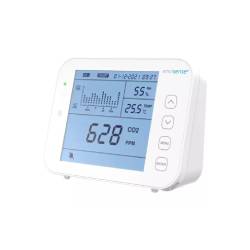
To get a grip on the indoor climate in your home, it's wise to regularly measure the humidity in your home. This can be done, for example, with a CO₂ meter that tracks multiple values, such as the Senseair tSENSE CO₂ – temperature and humidity meter. This way, you can easily work towards the ideal humidity level in your home, ensuring a comfortable and healthy living environment for yourself and others.
For people with vulnerable health, good humidity at home is very important. Think of people with COPD: a chronic lung disease in which the airways are permanently damaged. For them, it's not just about comfort, but also about breathing as comfortably as possible. There's a clear link between COPD and humidity in the home. If the air is too dry or too humid, symptoms such as breathlessness or coughing can worsen.
How do I measure my humidity?
How do you actually know whether the indoor climate in your home is balanced? By measuring the humidity in your home, you get immediate insight. You can easily do this with a CO₂ meter that also registers moisture and temperature. This way, you can not only measure the air quality in your home, but also accurately measure the humidity in your home, so you know exactly where you stand!
Humidity fluctuates due to weather or activities such as cooking, showering and heating. So measure at different times of the day, allowing you to spot trends. Another free tip: place the measuring device (CO₂ meter or hygrometer) at eye level, not too close to windows, doors or radiators. Readings there can be distorted by draughts, sunlight or heat. Want an accurate picture? Then measure in multiple locations around the house, especially in rooms where you spend a lot of time, such as the living room and bedroom. Good luck and happy measuring!
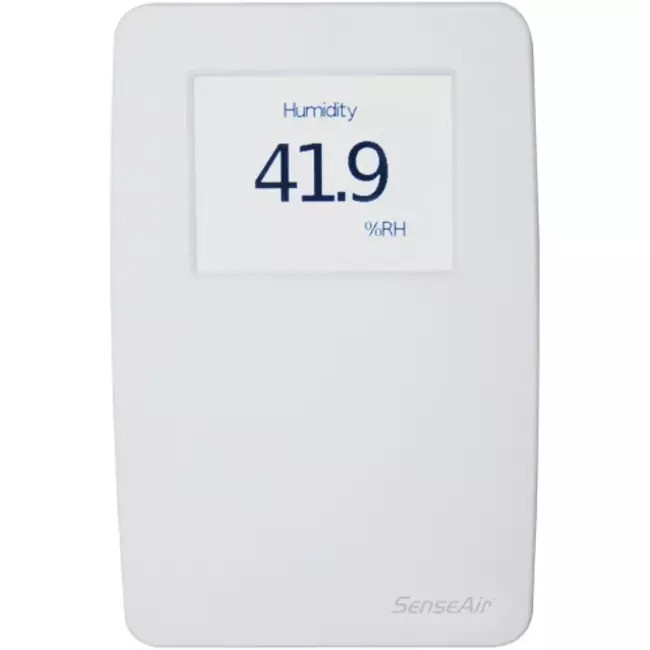
Want to know how your home is doing? Take a look at our CO₂ controllers, such as the Senseair tSENSE, which allows you to easily keep track of multiple values — including humidity. This way, you ensure a consistently healthy and pleasant indoor climate.
What is the average humidity?
The average humidity in a home says something about how healthy and comfortable your indoor climate is. We can best describe this concept as the average of all relative humidity measurements in your home over a certain period (day, week, month). Want to know what the average humidity is in your home? Then measure at several points during the day, or use a data logger that records automatically. Divide the results by the number of times you measured. For example: you measured three times and the results are 45%, 50% and 40%. That gives you a total of 135. When you divide this by three, you get 45, in other words: the average humidity is 45%!
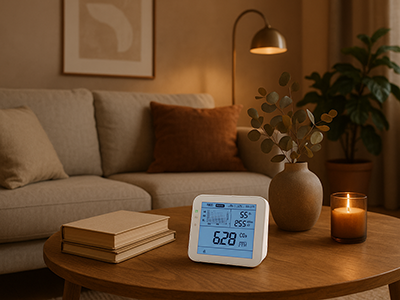
As mentioned above: in an ideal situation, normal humidity in the home lies between 40% and 60%. Within this range, we consider it the best humidity level for a home! At a value below 40%, the humidity is too low. Conversely, at a percentage above 60%, there is too much humidity in the home.
In the overview below, we explain per value whether the humidity percentage in question is too low, too high or perfect. We're also happy to explain the symptoms, causes and effects of all humidity levels and how to recognise them.
Humidity percentage
Do you suffer from dry air in your home? Here's what you can do about it!
Dry air in the home mainly occurs in autumn and winter, when the heating is on and the outdoor air naturally contains less moisture. You'll often notice dry air in your home through small but annoying things. Think of dry eyes, static hair, cracked lips or dry skin. In the bedroom, you might sometimes wake up with a tickle in your throat or a dry cough. These are common complaints caused by (too) dry air in the bedroom. If the humidity is too low for a longer period, this can lead to breathing complaints, poorer sleep, irritated airways or even headaches. Do you suffer from this? Then take action!
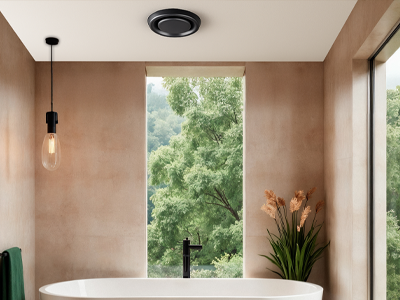
Fortunately, you can do something about air that's too dry in your home! Through mechanical ventilation, for example! This brings a supply of clean air into the home via gaps, joints and ventilation grilles. You could also consider purchasing a HRV unit with an enthalpy exchanger. This system transfers moisture from the extracted air to the incoming air. A third option is a decentralised HRV unit. This reuses heat and partly moisture when ventilating individual rooms.
Popular ventilation products for optimal humidity

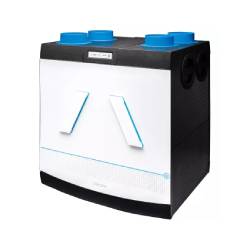
Step-by-step plan: solving dry air in your home
Step 1: Check the humidity
Use a CO₂ meter that also measures humidity to determine whether the air is actually too dry (below 40%). Is it? Then action is needed.
Step 2: Ventilate smartly
Although ventilation is often associated with removing moisture, controlled natural ventilation also helps keep the air balanced. For example, briefly open windows opposite each other or use a ventilation system that regulates moisture in the room, such as mechanical ventilation or an HRV unit.
Step 3: Add moisture to the air
If needed, place bowls of water on the radiator, hang up wet towels, or leave a door open after showering. These are simple ways to slightly increase the moisture level.
Step 4: Use a humidifier
For a lasting solution, you can invest in a humidifier. This device automatically keeps the humidity level in check — ideal for the living room or for dry air in the bedroom.
Step 5: Avoid air pollutants
Too much dust, smoke or chemical odours can make the air even drier and more unpleasant. So also make sure you have a clean and fresh indoor climate.

Lower the humidity in your home? Here's how!
You can often notice (too) high humidity through small yet recurring annoyances: misted-up windows, a clammy atmosphere in a particular room, or even mould in the corners of walls or in the bathroom. Many people only discover late that the humidity in their home is 70% or higher. That's well above the level it should be. Fortunately, you can lower the humidity in your home with a few targeted steps. We've listed exactly what these are below! Do you have questions about lowering humidity? Then feel free to check our FAQ at the bottom of this blog or get in touch with us!
Step 1: Measure the humidity
It starts with insight! A CO₂ meter with humidity measurement helps you determine where you stand. For example, the Senseair tSENSE CO₂ – temperature and humidity meter is a smart choice for monitoring both the air quality and the humidity in your home.
Step 2: Ensure good ventilation
Good ventilation is extremely important for the living climate of your home. Think about installing and/or upgrading ventilation grilles or installing a mechanical ventilation system for good air circulation. This is really a must, especially in humid rooms such as the bathroom or kitchen.
Step 3: Suitable bathroom ventilation & a powerful extractor hood
A lot of moisture is usually released while cooking or showering. And you want that removed quickly. This can be done with the right bathroom fan for your bathroom. Our range includes bathroom fans with a humidity sensor. In the kitchen, make sure you have a powerful extractor hood that can quickly remove the moisture released. If mechanical ventilation isn't possible, you can still remove moisture with alternatives such as window or wall fans, ventilation grilles with natural draught, or by properly airing the room via windows open opposite each other.
Step 4: Reduce moisture sources in your home
If you dry your laundry indoors, have (too) many houseplants, or use humidifiers, the humidity can increase. Consider a dryer with an exhaust (in the future), if relevant. Or dry your laundry outside as much as possible (in the garden or on the balcony) or in a well-ventilated room.
Step 5: Use a dehumidifier and/or improve ventilation
Is the humidity in your home still too high? Then consider a dehumidifier to actively remove moisture from the air. This is especially useful in basements, laundry rooms or poorly insulated homes, among others. You can also take the following ventilation measures: install extra ventilation grilles or tilt windows, ventilate at the right moments (for example, briefly and intensely airing the room when it's colder/drier outside), or purchase mechanical ventilation.
How do I keep my humidity healthy?
Maintaining a healthy moisture level in your home starts with proper ventilation. With a good ventilation system, you ensure a constant supply of fresh air and removal of moist air, keeping the indoor climate optimal. This helps you effortlessly maintain what counts as healthy humidity in a home (between 40% and 60%). Without proper ventilation, the moisture level can build up, especially in bedrooms, which can, for example, lead to a damp bedroom and health complaints. Is the air in your home actually too dry? Then, alongside targeted ventilation, you can increase the humidity in your home with a humidifier. Always keep monitoring the humidity! Is the value too high or too low? Then take the appropriate measures, which we've listed for you in our handy overview, among other things.

By investing in effective ventilation solutions, you keep the humidity in your home at the right level and improve living comfort, while preventing mould and other moisture problems! Do you have questions about this? Then our ventilation experts are happy to help you!
What should I do if I can't install a (new) ventilation system myself?
Can't install a ventilation system yourself? Then have it done by a certified installer near you. At Ventilatieland, you'll find all the ventilation systems and associated accessories/parts you need. Your installer then takes care of the installation. This way, you combine our competitive prices with professional fitting. If a completely new system (mechanical ventilation or an HRV unit) isn't an option, you can also choose a decentralised HRV unit. This is a compact ventilation system with heat recovery (HRV) that can ventilate one room at a time (decentralised).
Even without a ventilation system, you can limit moisture in wet rooms by airing briefly and intensely after showering or cooking, using a standalone window or wall fan, or placing moisture absorbers. It also helps to keep the bathroom door closed, cook with lids on pans, and dry laundry outside.

How do I keep my humidity healthy in summer?
In summer, high humidity in the home can create a stuffy and clammy feeling. To keep the humidity in your home healthy, it's important to actively ventilate. Especially in the early morning and late evening, open windows and doors to let in fresh, cooler air and remove humid air. During the day, when the outdoor air is often warmer and more humid, it's better to use a mechanical ventilation system to keep the humidity percentage in your home stable. If the humidity percentage is too high, dehumidifiers or air conditioners with a dehumidifying function, among other things, help remove excess moisture from the air. This way, you enjoy a fresh and comfortable indoor climate, even during warm and humid summer days.
How do I keep my humidity healthy in winter?
In winter, moisture in the home can cause problems more quickly. Due to cold and reduced ventilation, moisture builds up, which encourages mould growth – especially in poorly ventilated rooms such as a humid bedroom. The healthy humidity level in a home remains between 40% and 60% in winter as well. Keep an eye on this by measuring the humidity and make sure you ventilate regularly, even when it's cold outside. Open windows briefly each day to replace humid air with fresh outdoor air. Mechanical ventilation helps maintain normal humidity in the home and prevents condensation on windows and walls. If you notice the air becoming too dry, for example due to a lot of heating, you can supplement this with a humidifier. This way, the air stays fresh, healthy and free of excess moisture, even during the winter months.
What is the ideal humidity for the bedroom and living room?
The humidity in the bedroom and living room has a big influence on your comfort and health. Healthy bedroom humidity contributes to better sleep and prevents you from waking up with a dry throat in the morning. In the living room, a good indoor climate keeps the quality of wooden floors and furniture looking good and helps dust stay in the air less easily. As we've mentioned several times in this blog: you can very easily check the humidity in your home, for example with a CO2 controller that has an internal function to measure humidity. And of course, don't forget (natural) ventilation!
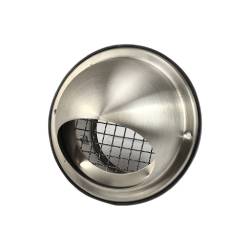
Have you, for example, considered a suitable wall vent? This is a component of your ventilation system that transports air from inside to outside via the exterior wall. This way, air from, for example, your extractor hood or tumble dryer can be safely and efficiently led outside.
Examples of healthy humidity in wet rooms
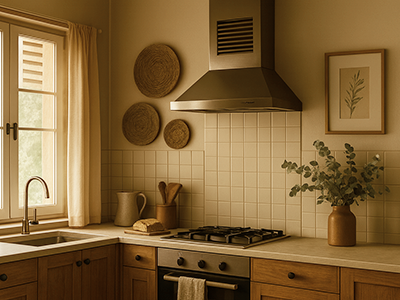
- In the kitchen, a good extractor hood combined with proper ventilation helps remove cooking moisture and steam directly. This keeps the air fresh and prevents moisture from spreading through the rest of the house.
- In the bathroom, an effective bathroom fan prevents condensation from lingering after a shower. This limits mould growth on tiles, grout and the ceiling.
Suitable ventilation solutions for kitchen and bathroom
- Mechanical ventilation: Essential in the kitchen to remove cooking fumes and moisture directly.
- Bathroom fan: Quickly removes humid air after showering or bathing.
- Ventilation grilles: Let in fresh air and contribute to a healthy indoor climate.
- Wall vents: We shouldn't forget these either, of course. Fresh air immediately contributes to cleaner air too and ensures unpleasant odours and/or moisture are removed quickly.
By investing in the right ventilation solutions, you keep the humidity in the kitchen and bathroom under control, reduce the risk of moisture problems and extend the lifespan of your home. Our ventilation and product experts are happy to help you with this!
What is the ideal humidity for the kitchen and bathroom?
The kitchen and bathroom naturally have higher humidity. During activities such as cooking, showering or taking a bath, a lot of water vapour is released, causing the humidity to temporarily rise well above the healthy level. If the air stays too humid, condensation forms more quickly on walls and windows, and the risk of mould and damp patches increases. Healthy humidity in the bathroom and kitchen prevents these problems and ensures a fresher, healthier indoor climate.
Have you finished showering, bathing or cooking? Then, for example, always briefly open a window. Or let the ventilation run on an extra-powerful setting for a while. This is possible, for example, with mechanical ventilation or an HRV unit. For bathrooms, showers and toilets, a bathroom fan with a humidity sensor is ideal! The integrated humidity sensor (hygrostat) continuously monitors the humidity level in the room. As soon as the value exceeds a preset limit, the fan starts automatically. Once the moisture level is back within the desired range, the fan stops on its own. This keeps your bathroom continuously and energy-efficiently ventilated. Handy, isn't it? Check out our complete range here!
We're here to help with advice on the best ventilation products!
Do you still have questions about the humidity in your home after reading this information, or would you like advice on which ventilation solution best suits your situation? Then feel free to get in touch with us. Our specialists are ready to help you. You can reach us via WhatsApp, phone, email or chat. You can also always check the FAQ below to see if your question is answered there.

FAQ
Do you still have a question about humidity after reading this blog, but haven't found the answer yet? No worries! Below, we've put together an overview of questions that haven't been covered in detail. From practical tips to explanations of causes and effects – this way you'll know exactly what you can do to keep the humidity in your home healthy. Still have a question? Then feel free to get in touch with us!